Understanding CNC Machining Parts
CNC machining parts are integral components in modern manufacturing, bridging the gap between design and production with precision engineering. These parts are utilized in a variety of industries, from automotive to aerospace, due to their reliability and adaptability. As businesses increasingly turn to automation and advanced manufacturing technologies to enhance efficiency, understanding the nuances of CNC machining becomes essential. CNC machining parts are crafted using advanced machinery that operates under computerized control, enabling unparalleled accuracy and repeatability in production.
What are CNC Machining Parts?
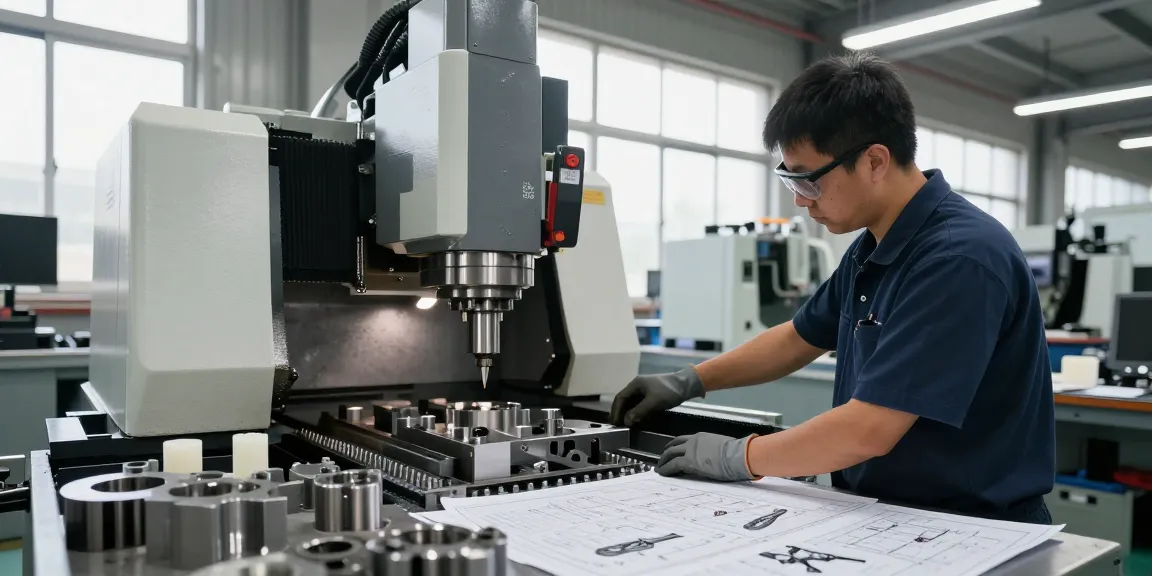
CNC machining parts refer to components produced via Computer Numerical Control (CNC) machining processes. This method employs pre-programmed software to dictate the movement of factory tools and machinery. The process creates a wide range of parts from various materials, making it a versatile option for manufacturers. Common applications include parts for engines, medical devices, and consumer electronics, showcasing the technology's broad relevance and capability.
Components and Features of CNC Machining
CNC machining encompasses several critical components that work together to produce high-precision parts. Key features include:
- CNC Controller: This unit interprets the design software and controls the machinery accordingly.
- Machine Tools: Various tools such as lathes, mills, and routers perform the actual cutting and shaping.
- Feedback Systems: Sensors and encoders within the machine monitor its position, ensuring accuracy throughout the process.
- Workholding Devices: These fixtures secure the workpiece in place during machining operations.
Common Materials Used in CNC Machining Parts
The choice of material significantly impacts the performance and applications of CNC machined parts. Common materials include:
- Metals: Aluminum, steel, brass, and titanium are frequently used for their strength and durability.
- Plastics: Polycarbonate, nylon, and acrylic are chosen for lightweight and cost-effective applications.
- Composites: These materials leverage the strengths of multiple substances, enhancing performance characteristics.
Benefits of CNC Machining Parts
CNC machining offers numerous advantages, making it a preferred choice in various sectors. Understanding these benefits allows businesses to leverage the full potential of CNC technologies in their operations.
Precision and Consistency in Production
One of the most significant benefits of CNC machining is its ability to produce components with high precision. The CNC machines operate based on exact specifications from the CAD (Computer-Aided Design) models, allowing for repeatability across production runs. This consistency is critical in industries where tolerances are tight, such as aerospace and automotive manufacturing.
Cost-Effectiveness in Manufacturing
While the initial investment in CNC machinery can be substantial, the long-term cost savings can be significant. CNC machining minimizes material waste through its precise cutting capabilities and decreases labor costs due to automation. Additionally, the fast turnaround times mean that products can be brought to market faster, providing competitive advantages.
Customizability of CNC Machined Components
CNC machining is inherently customizable, allowing manufacturers to create parts tailored to specific requirements. Whether it’s varying dimensions, specialized designs, or unique materials, CNC technology can accommodate a variety of specifications. This flexibility is essential in industries such as medical technology, where custom parts are often a necessity.
Challenges in CNC Machining Parts
Despite its many advantages, CNC machining is not without challenges. Being aware of these can help organizations effectively navigate their manufacturing processes.
Quality Control Issues and Mitigation Strategies
Quality control can pose a challenge in CNC machining, especially when producing high volumes of parts. Variations in machine calibration or tool wear can lead to defects. Implementing rigorous quality control protocols, including regular inspections and maintenance of machinery, can mitigate these risks. Utilizing advanced monitoring technologies can also enhance the reliability of the machining process.
Understanding Tolerances and Specifications
Every CNC machined part must adhere to strict tolerances based on its application. Understanding these specifications is crucial for engineers and designers. A tolerance represents the allowable deviation from a desired dimension; thus, precise control during the machining process is vital to meet these standards.
Common Misconceptions About CNC Machining
There are several misconceptions surrounding CNC machining, such as the belief that it replaces skilled labor entirely. In reality, CNC machining requires skilled operators who understand programming and machine operation. Educating stakeholders about the true capabilities and limitations of CNC technology is essential for maximizing its effectiveness in production environments.
Best Practices for Designing CNC Machining Parts
Effective design is critical to successful CNC machining. Employing best practices can enhance the manufacturability of parts and reduce costs.
Key Design Principles for CNC Machining
When designing parts for CNC machining, consider the following principles:
- Simplicity: Simple designs are easier and cheaper to produce, reducing machining time.
- Minimize Tool Changes: Designs that require fewer tools lead to reduced setup times and costs.
- Design for Manufacturing: Anticipate the capabilities of CNC machines to enhance the production process.
Software Tools for Designing CNC Parts
Several software tools can assist in designing CNC machined parts, including CAD programs like SolidWorks and AutoCAD. These tools allow engineers to simulate machining processes, identify potential issues, and finalize designs efficiently.
Prototyping Strategies for Effective Production
Prototyping is essential in validating designs before mass production. Utilizing techniques such as 3D printing or CNC prototyping can help in evaluating the design's functionality, fit, and performance, thus reducing the risk of costly adjustments during full-scale manufacturing.
The Future of CNC Machining Parts
As technology evolves, so too does CNC machining. Staying abreast of industry trends and advancements is essential for manufacturers aiming to remain competitive.
Technological Advancements in CNC Machining
Emerging technologies such as AI and machine learning are transforming CNC machining by optimizing operations and enhancing predictive maintenance. These advancements facilitate more efficient workflows, allow for better control of equipment, and lead to higher quality outputs.
Market Trends and Predictions for 2026
The future of CNC machining looks promising. Market predictions suggest growth driven by increased demand for automation and the rapid expansion of the aerospace and automotive sectors. As businesses continue to seek more efficient manufacturing solutions, CNC machining will play a pivotal role.
Emerging Applications of CNC Machining Parts
CNC machining parts are increasingly finding applications in advanced fields such as biotechnology and renewable energy. For instance, customized parts for wind turbines and specific components for medical devices highlight how CNC machining caters to burgeoning industries that demand precision and reliability.
What are CNC machining parts?
CNC machining parts are components created through the CNC machining process, utilizing advanced tools and automation to achieve high levels of precision and repeatability in production.
How do CNC Machining Services Work?
CNC machining services involve taking a client's design specifications, typically provided in digital formats, and programming CNC machines to fabricate those designs accurately. This process often includes quality checks to ensure that the final product meets predefined standards.
What industries use CNC machined parts?
Industries that commonly utilize CNC machined parts include aerospace, automotive, medical devices, consumer electronics, and industrial machinery, each benefiting from the precision and customization capabilities of CNC technologies.