Understanding Integrated Modular Systems
Integrated Modular Systems are pivotal in enhancing operational efficiency across various industries, particularly in water treatment applications. These systems combine various modules into a cohesive framework, improving functionality while addressing specific operational challenges. When exploring options, Integrated Modular Systems offer comprehensive insights into how these structures can streamline processes and enhance productivity.
Definition and Key Features
At its core, an Integrated Modular System is a sophisticated configuration that allows different components to work synergistically. These systems typically feature:
- Modularity: Each part can function independently while still contributing to the overall system.
- Interoperability: Components are designed to work across different environments and with various technologies.
- Scalability: The system can grow or shrink based on operational demands.
- Customization: Solutions can be tailored to meet specific client needs.
Types of Integrated Modular Systems
Various forms of Integrated Modular Systems exist, each addressing different challenges:
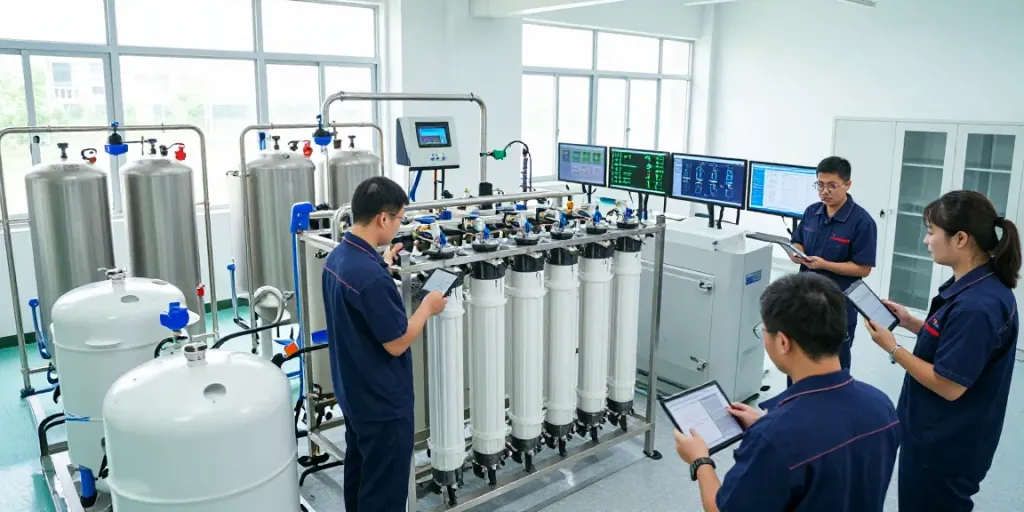
- Integrated Membrane Water Treatment Systems: These systems utilize advanced membrane technology to remove contaminants effectively.
- Chemical Treatment Systems: These involve the use of chemicals to treat water, offering precise control over the treatment process.
- DAF Integrated Treatment Systems: Dissolved Air Flotation (DAF) systems are particularly efficient for wastewater treatment, especially where suspended solids and oils are prevalent.
Importance in Modern Industries
The importance of Integrated Modular Systems cannot be overstated. As industries increasingly face complex challenges like stringent regulations and environmental concerns, these systems provide a viable pathway to compliance and operational excellence. Moreover, they enable businesses to remain agile and adapt to market changes quickly.
Core Benefits of Integrated Modular Systems
Cost-Effectiveness and Efficiency
One of the primary advantages of Integrated Modular Systems lies in their cost-effectiveness. By allowing for precise scaling and customization, organizations can minimize unnecessary expenditure while maximizing resource utilization. Additionally, the ability to conduct maintenance and upgrades without significant downtime enhances overall efficiency.
Scalability and Flexibility
Integrated Modular Systems are designed with flexibility in mind. Businesses can easily scale operations up or down based on demand without significant infrastructure changes. This adaptability is crucial in industries where demand can fluctuate rapidly, allowing for a more responsive approach to business operations.
Improved Performance Metrics
With integrated systems, organizations often see marked improvements in performance metrics. Real-time data analysis capabilities allow for more informed decision-making, reducing waste and improving quality control. Enhanced performance not only leads to cost savings but also strengthens customer satisfaction and loyalty.
Applications of Integrated Modular Systems in Water Treatment
Integrated Membrane Water Treatment Systems
Integrated Membrane Water Treatment Systems are particularly effective in the purification of drinking water and wastewater treatment. These systems can efficiently remove particulates, bacteria, and viruses, ensuring compliance with health regulations and providing safer water for communities.
Chemical Treatment Systems
Chemical Treatment Systems utilize various chemicals for disinfection and removal of contaminants. From coagulation to neutralization, these systems offer comprehensive solutions to complex water treatment challenges.
DAF Integrated Treatment Systems
DAF Integrated Treatment Systems combine chemical dosing with advanced flotation technologies to separate solids from liquids effectively. These systems are ideal for wastewater containing lighter flocs and suspended solids, commonly found in industrial applications.
Challenges in Implementing Integrated Modular Systems
Initial Costs and Investment Concerns
While Integrated Modular Systems offer significant long-term benefits, the initial investment can be a concern for many businesses. It is important for companies to conduct a thorough cost-benefit analysis to understand the potential return on investment.
Maintenance and Operational Challenges
Maintaining integrated systems can require specialized knowledge and training. Organizations must ensure that their workforce is adequately trained to manage and troubleshoot these systems, which can pose challenges in terms of operational continuity.
Industry-Specific Compliance and Regulations
Different industries face unique regulations that can complicate the implementation of Integrated Modular Systems. Businesses must navigate these regulations effectively to ensure compliance and avoid potential penalties.
Future Trends for Integrated Modular Systems in 2026
Technological Innovations in Water Treatment
The future of Integrated Modular Systems is likely to be shaped by emerging technologies such as artificial intelligence and machine learning. These innovations can lead to smarter water treatment systems that optimize processes in real-time, enhancing both efficiency and effectiveness.
Sustainability and Environmental Impact
As environmental concerns continue to rise, there is a strong push towards sustainable practices within integrated systems. Companies are increasingly focusing on developing solutions that minimize environmental impact while maximizing resource efficiency.
Predictions for Market Growth and Demand
The market for Integrated Modular Systems is projected to grow significantly over the next few years, driven by increasing urbanization and the pressing need for efficient water treatment solutions. Organizations that invest in these systems are likely to enjoy a competitive edge in their respective industries.
What Are the Key Considerations for Implementing Integrated Modular Systems?
When considering the implementation of Integrated Modular Systems, organizations should evaluate their specific needs, existing infrastructure, and potential return on investment. A comprehensive understanding of these factors will contribute to a successful integration strategy.
How Can Integrated Modular Systems Enhance Operational Efficiency?
By streamlining processes, reducing redundancies, and optimizing resource use, Integrated Modular Systems can significantly enhance operational efficiency. Businesses that harness the power of these systems are often more capable of responding to market demands effectively.
What Types of Industries Benefit Most from Integrated Modular Systems?
Industries that handle large volumes of wastewater, such as manufacturing, pharmaceuticals, and food and beverage sectors, greatly benefit from Integrated Modular Systems. These systems help address their unique challenges while ensuring compliance with stringent regulations.
Are There Any Limitations to Using Integrated Modular Systems?
Despite their many benefits, Integrated Modular Systems can come with limitations, such as high initial investment and the need for specialized training. Businesses must weigh these limitations against the long-term benefits and efficiencies gained from these systems.
What is the Role of Integrated Modular Systems in Future Water Challenges?
As global water challenges intensify, Integrated Modular Systems will play a crucial role in addressing these issues. Their adaptability and efficiency make them a key component in the pursuit of sustainable and effective water management solutions.