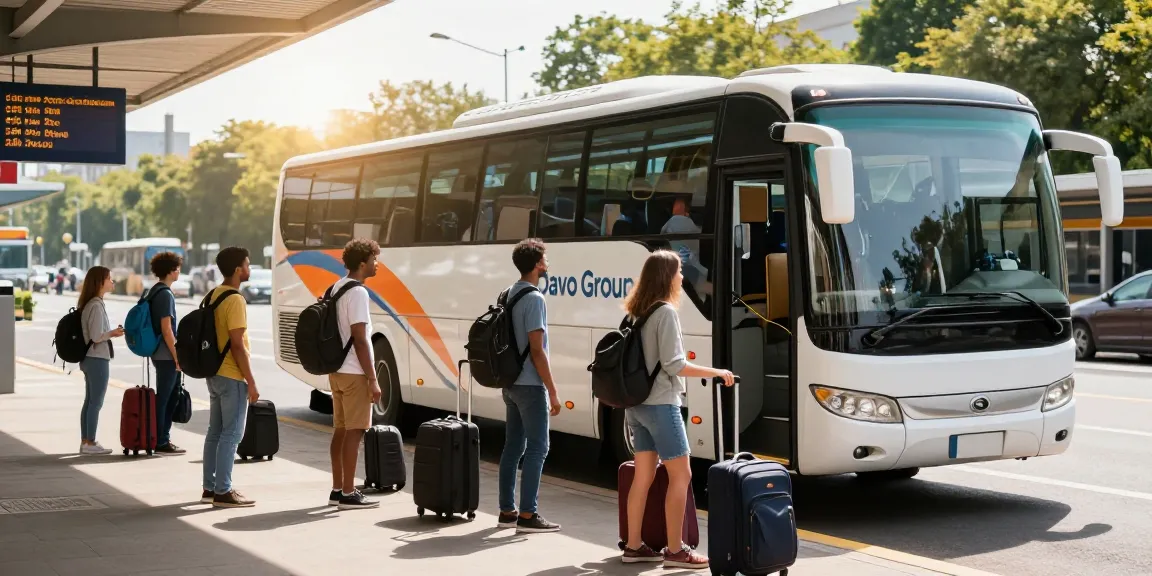
Understanding Passenger Transport from Moldova to Europe
As global mobility continues to evolve, the passenger transport landscape from Moldova to Europe has seen significant advancements in recent years. In 2026, there are more options and improved services available for travelers looking to make the journey from Moldova to their favorite European destinations. Notably, reliable services such as those offered by Davo Group ensure that travelers can enjoy safe, comfortable, and timely travel experiences. When exploring options, Passenger transport Moldova Europe provides comprehensive insights into the various services available to meet your travel needs.
Overview of Transportation Options
Travelers have several transportation options to consider when planning their journeys from Moldova to Europe. The primary methods include:
- Bus Services: Cost-effective and widely used, bus services are a popular choice for many Moldovan travelers.
- Train Travel: While less commonly used, there are train routes connecting to several key European cities.
- Private Car Rentals: For those seeking flexibility, renting a private car is an option, though it may involve higher costs.
- Air Travel: The fastest option but often the most expensive; flights from Chisinau to major European hubs are readily available.
Among these options, bus services have become increasingly efficient, providing a combination of affordability and comfort. Passengers can enjoy amenities such as Wi-Fi, USB charging ports, and spacious seating, making long-distance travel more enjoyable.
Benefits of Choosing Bus Services
Choosing bus services for your journey from Moldova to Europe offers numerous advantages:
- Affordability: Bus tickets typically cost less than train or plane tickets, making it an economical choice for travelers.
- Direct Routes: Many bus companies offer direct routes from Moldova to major European cities, saving time on transfers.
- Comfort: Modern buses are equipped with comfortable seating and amenities that enhance the travel experience.
- Frequent Schedules: Buses run regularly, providing travelers with more options for departure times.
With a strong focus on safety and reliability, many bus operators have implemented measures to ensure peace of mind for passengers, including real-time updates and adherence to health guidelines.
Key Routes and Destinations in 2026
In 2026, several key routes operate regularly between Moldova and Europe. Notable destinations include:
- Chisinau to Bucharest: A short but essential route linking Moldova to Romania.
- Chisinau to Berlin: Direct buses facilitate travel to Germany's capital, accommodating both business and leisure travelers.
- Chisinau to London: A longer route, yet increasingly in demand, connecting Moldova to the UK.
- Chisinau to Amsterdam: A vital connection for those traveling to the Netherlands.
- Chisinau to Brussels: Direct services to the heart of Belgium are gaining popularity.
These routes reflect the growing connection between Moldova and Europe, enabling easier access for cultural exchange, business, and tourism.
Choosing the Right Services for Your Journey
When selecting the best passenger transport services, it’s essential to consider factors that will enhance your travel experience. Certain criteria can significantly influence your choice of service provider.
Factors to Consider When Booking
Here are key factors to keep in mind when planning your journey:
- Pricing: Compare ticket prices across different operators while considering the amenities included.
- Travel Time: Evaluate the duration of travel, particularly for longer routes.
- Bus Comfort Levels: Look for services that prioritize passenger comfort and provide modern facilities.
- Reputation: Research reviews and testimonials to ensure that the provider has a track record of reliability and safety.
- Customer Service: Consider the availability of customer support, especially if you have questions or require assistance during your travels.
Comparing Prices and Comfort Levels
In the competitive landscape of passenger transport, it’s important to find a balance between price and comfort. While budget operators may offer lower fares, they might compromise on aspects such as seating comfort, safety, or amenities. Therefore, it’s advisable to:
- Read Reviews: Check online platforms for passenger experiences and ratings.
- Look for Promotions: Many companies offer discounts for early bookings or group travel.
- Evaluate Amenities: Ensure the bus service includes necessary amenities such as Wi-Fi, charging ports, and air conditioning.
Top Providers of Passenger Transport in Moldova
Several reputable companies provide passenger transport services from Moldova to Europe. These include:
- Davo Group: Known for its reliability and premium service, offering routes to multiple European cities.
- FlixBus: A well-known European provider that has expanded its reach to include routes from Moldova.
- Eurolines: Offers several long-distance routes with a strong focus on comfort and service quality.
When choosing a provider, consider their service offerings and reputation to ensure a positive travel experience.
Safety and Regulations in International Travel
Traveling internationally comes with its own set of safety and regulatory considerations, particularly for travelers from Moldova heading to Europe.
Safety Measures for Passengers in 2026
As of 2026, bus operators have heightened their safety protocols in response to ongoing health concerns. Here are some measures that you can expect:
- Cleansing Protocols: Enhanced cleaning routines for buses before and after each trip.
- Health Checks: Some operators are conducting health screenings for passengers prior to boarding.
- Social Distancing: Seat arrangements may be modified to allow for social distancing when necessary.
Travelers are encouraged to stay informed about the safety protocols enforced by their chosen service provider to ensure a safe journey.
Regulatory Framework Affecting Transport
The regulatory landscape for transport services in Moldova is continuously evolving, with significant developments targeting international agreements. In 2026, the EU-Moldova transport agreement remains crucial. Key aspects include:
- Ease of Travel: Streamlined processes for cross-border travel, facilitating smoother entry into European nations.
- Standardization of Safety Measures: Alignment of safety standards across member states to ensure a consistent approach to passenger safety.
- Investment in Infrastructure: Ongoing investments are aimed at improving the transport infrastructure, enhancing overall travel efficiency.
Travel Insurance Options for European Trips
Travel insurance is an essential consideration for international trips, as it can provide peace of mind and financial protection. Basic insurance options to consider include:
- Health Insurance: Coverage for medical emergencies and unexpected health issues abroad.
- Trip Cancellation Insurance: Protection against financial losses resulting from trip cancellations.
- Baggage Insurance: Compensation for lost, stolen, or damaged luggage.
Before your journey, review different insurance policies to find the coverage that best suits your needs and travel plans.
Best Practices for a Hassle-Free Journey
To ensure a stress-free travel experience when using passenger transport, consider implementing the following best practices:
What to Pack for Your Trip to Europe
Packing wisely can significantly enhance your comfort on long journeys. Key items to include:
- Comfortable Clothing: Dress in layers for easy adjustment to changing temperatures.
- Entertainment: Bring books, movies, or music to keep yourself occupied during transit.
- Snacks and Water: Pack light snacks and a refillable water bottle to stay hydrated and energized.
- Travel Documents: Carry all necessary travel documents in a secure and easily accessible location.
Managing Time and Comfort on Long Journeys
Long journeys require effective time management and strategies for comfort:
- Schedule Breaks: If possible, plan to stop for breaks during the journey to stretch and refresh.
- Stay Hydrated: Drink water regularly to stay hydrated, especially in warm conditions.
- Limit Electronics: While entertainment is important, take breaks from screens to rest your eyes.
Staying Informed: Real-Time Schedule Updates
Many service providers offer real-time updates on schedules and delays. Consider downloading relevant apps or subscribing to alerts to stay informed during your travels. This proactive approach allows you to manage unexpected changes swiftly, ensuring a smoother journey.
Future Trends in Passenger Transport
The passenger transport industry is evolving rapidly, with new trends emerging that promise to reshape the travel landscape in the coming years. Here is what to expect:
Innovations in Transport Technology for 2026
Recent advancements in technology are revolutionizing passenger transport:
- Smart Ticketing: Digital ticketing options are becoming increasingly popular, simplifying the booking process.
- Telematics: Use of GPS tracking allows for real-time updates on bus locations and estimated arrival times.
- Electric Buses: Sustainability initiatives are driving the introduction of electric vehicles, reducing the carbon footprint of passenger transport.
Potential Changes in Travel Policies
With the changing geopolitical landscape, travelers can expect adjustments to travel policies:
- Visa Regulations: As Moldova strengthens ties with the EU, visa policies may become more favorable for Moldovan citizens.
- Health Regulations: Policies related to health and safety may continue to evolve, impacting how passengers prepare for travel.
Environmental Considerations in Passenger Transport
As awareness of climate change increases, the transport industry is prioritizing environmental sustainability:
- Carbon Offsetting: Many providers are beginning to incorporate carbon offsetting programs in their pricing strategies.
- Increased Efficiency: Continuous improvements in transport logistics aim to minimize environmental impact.
Choosing environmentally responsible travel options will not only contribute to personal comfort but also align with global sustainability goals.