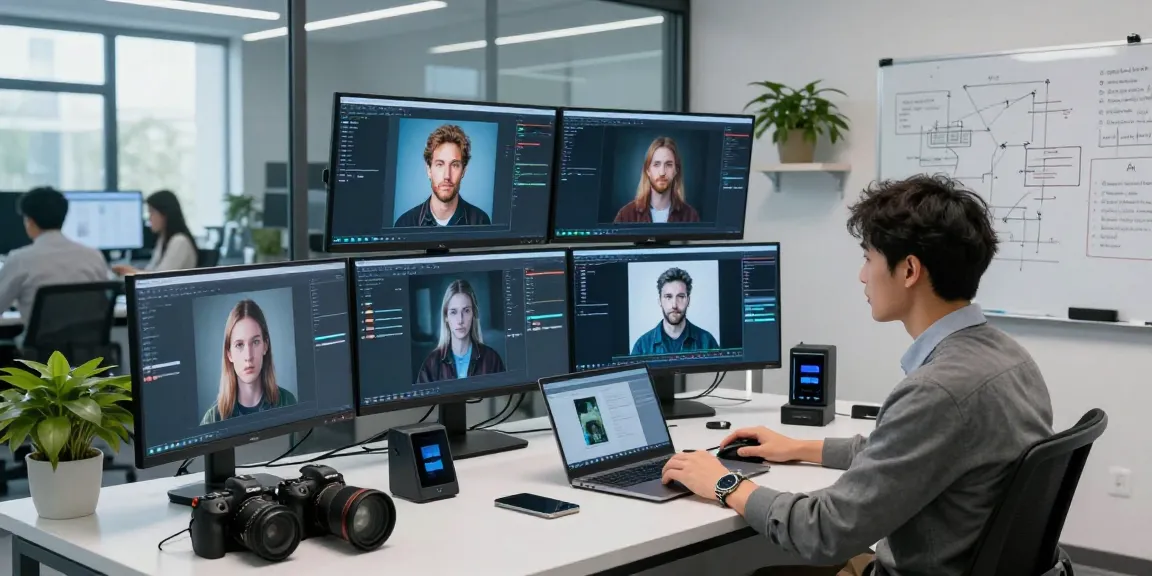
Understanding Deepfake Technology
The emergence of deepfake technology has transformed the landscape of digital media, creating both innovative opportunities and significant challenges. In an era where online communication is paramount, understanding how deepfakes work and the implications they have on privacy and trust is essential. Shifting towards Deepfake protected Online Video Calls can provide an added layer of security against potential scams and impersonations that leverage this advanced technology.
What Are Deepfakes?
Deepfakes refer to synthetic media generated using artificial intelligence and machine learning techniques that superimpose existing images and videos onto source images or videos. This technology can create remarkably realistic audio and visual imitations of individuals, making it increasingly difficult to discern the genuine from the fabricated. From entertainment and film to news and security, deepfakes have found diverse applications, but their misuse poses significant risks, particularly in the realm of online communication.
How Deepfake Technology Works
Deepfake technology relies on deep learning techniques, often utilizing Generative Adversarial Networks (GANs), which consist of two competing neural networks—the generator and the discriminator. The generator creates fake content, while the discriminator evaluates its authenticity. This iterative process enhances the quality and realism of the generated media over time. With sufficient training data, deepfakes can convincingly replicate human nuances, including facial expressions and vocal tones, leading to their potential misuse in online communications.
The Evolution of Deepfake Applications
Initially, deepfakes were perceived as a novel tool for entertainment, with creators using the technology to produce humorous or artistic content. However, as the technology advanced, malicious applications began to surface, such as identity theft, fraud, and the creation of harmful misinformation. In recent years, the widespread accessibility of deepfake creation tools has raised concerns, prompting both individuals and organizations to seek protective measures, especially in the context of video calls.
The Importance of Protection in Video Calls
As video calls become more integral to personal and professional interactions, the risks associated with deepfake technology escalate. The ability to impersonate individuals in real-time poses a direct threat to security and trustworthiness in communications. Recognizing these risks and understanding how to mitigate them is essential for ensuring safer online interactions.
Risks Associated with Deepfake Video Calls
Deepfake technology has introduced various vulnerabilities into online video calls. Cybercriminals can impersonate trusted individuals, leading to scams and unauthorized transactions. For example, a deepfake could mimic a CEO’s likeness during a virtual meeting, allowing scammers to authorize financial transactions fraudulently. Such incidents not only lead to financial losses but also damage reputations and erode trust in digital communications.
Real-World Examples of Deepfake Exploits
Several high-profile cases have highlighted the dangers of deepfake technology. One notable instance involved a deepfake video of a business executive that was used to deceive a company's bank into transferring funds. Another case featured an individual impersonating a celebrity in a live stream, resulting in significant financial ramifications for unsuspecting viewers. These examples underscore the need for robust security measures in online interactions, as the potential for exploitation is vast.
Identifying Vulnerabilities in Online Communication
Understanding the vulnerabilities inherent in online communication can help individuals and organizations implement preventive measures. For instance, users should be aware of the signs of deepfake video calls, such as unusual discrepancies in facial movements, unnatural eye contact, or audio lag. Furthermore, organizations must assess their communication protocols to identify potential weak points that could be exploited by malicious actors.
Best Practices for Securing Online Video Calls
Implementing best practices is crucial to securing online video calls against deepfake threats. By adopting a multi-layered approach to security, users can significantly reduce their risk exposure.
Employing Multi-Factor Authentication
Multi-factor authentication (MFA) is a critical security measure that adds an extra layer of protection to online accounts. By requiring users to provide two or more verification factors, such as a password and a code sent to their mobile device, MFA helps ensure that only authorized individuals can access sensitive information. Integrating MFA into video conferencing platforms can mitigate the risk of unauthorized access during calls.
Verifying Identities Through Secure Methods
Establishing protocols for verifying identities before engaging in significant discussions is essential. This can include the use of pre-arranged "safe words" or phrases that only the legitimate parties would know. Additionally, video conferencing tools that allow for real-time identity verification, such as facial recognition or biometric authentication, can further safeguard against deepfake impersonations.
Using Advanced Detection Tools
Organizations can invest in advanced detection tools that utilize machine learning to identify deepfake content in real-time. These tools can analyze video feeds for inconsistencies indicative of deepfakes, such as unnatural facial movements or synchronization issues. By employing such technologies, businesses can proactively address potential threats and protect their communications from malicious deepfake exploitation.
Future Trends in Video Call Security
The landscape of cybersecurity is continuously evolving, especially as deepfake technology becomes more sophisticated. Understanding future trends can help individuals and organizations prepare for the challenges ahead.
Emerging Technologies for Deepfake Protection
Innovators are exploring various technologies to combat the dangers posed by deepfakes. These include improved algorithms for detecting synthetic media, as well as blockchain solutions that can verify the authenticity of video content. As these technologies are developed and refined, they hold the potential to significantly enhance the security of online video communications.
Predictions for 2026 and Beyond
As we approach 2026, it is expected that the use of deepfake technology in both beneficial and harmful ways will increase. Businesses and individuals must remain vigilant, adopting proactive strategies to safeguard their communications. The rise in deepfake-related incidents will likely necessitate stricter regulations and industry standards aimed at fostering secure virtual interactions.
The Role of AI in Enhancing Security Measures
Artificial intelligence will play a pivotal role in enhancing security protocols against deepfakes. Leveraging AI for anomaly detection, real-time analysis, and threat assessment will empower organizations to respond rapidly to potential threats, thereby safeguarding their communications and maintaining trust in a heavily digitized environment.
Prepare for the Future of Communication
Educating users and implementing effective security protocols are paramount in the fight against deepfake threats. By fostering a culture of awareness and vigilance, organizations can mitigate risks and enhance the security of their online interactions.
Implementing Effective Security Protocols
Simplistic security measures are no longer sufficient in today's digital landscape. Organizations should develop comprehensive security protocols that include training for employees on recognizing deepfake threats, regular updates to security systems, and clear communication channels for reporting suspicious activities. By establishing a strong security framework, businesses can better protect themselves against deepfake exploitation.
Educating Users on Deepfake Risks
Education is a powerful tool against the threats posed by deepfakes. Regular training sessions can empower users to recognize signs of deepfake technology and protect themselves during online interactions. Informational resources, including guides and workshops, can help build awareness and equip users with the knowledge needed to navigate the complexities of digital communication.
Maintaining Trust in Virtual Interactions
Maintaining trust in virtual interactions is critical as deepfake technology continues to evolve. Businesses must prioritize transparency in their communications, utilizing verified identification methods and openly addressing security concerns with clients and partners. By fostering an environment of trust, organizations can enhance relationships and reduce the likelihood of falling victim to deepfake scams.
What Should I Do if I Suspect a Deepfake?
If you suspect that you are interacting with a deepfake, promptly report the incident to the appropriate authorities or platform support teams. Documenting evidence of the suspicious interaction can aid in investigations and help prevent further exploitation.
How Can Companies Safeguard Their Video Calls?
Companies can safeguard their video calls by implementing a combination of security measures, including multi-factor authentication, identity verification, and advanced detection tools. Regularly reviewing security protocols and encouraging a culture of vigilance can further enhance defenses against deepfake threats.
What Technologies Are Used to Detect Deepfakes?
Various technologies are employed to detect deepfakes, including machine learning algorithms that analyze video feeds for inconsistencies and anomalies. Other techniques include reverse image searches and digital forensics methods aimed at verifying content authenticity.
Are There Legal Implications of Deepfake Misuse?
Yes, the misuse of deepfake technology can lead to significant legal implications, including potential criminal charges for fraud, defamation, and other malicious acts. As laws continue to evolve, individuals and organizations must remain informed about the legal landscape surrounding deepfake technology.
How Is the Industry Evolving to Combat Deepfakes?
The industry is adopting a multifaceted approach to combat deepfakes, including the development of detection technologies, legislative actions, and cooperative efforts between tech companies and security organizations. By working together, stakeholders can create robust defenses against deepfake exploitation and protect online interactions.