Introduction to Computer Vision for CCTV
In the evolving landscape of security technology, the integration of computer vision for CCTV has positioned itself as a game-changer. Traditional Closed-Circuit Television (CCTV) systems have primarily focused on image capture, but with the advent of computer vision, these systems are now equipped to analyze and interpret visual data. The implications of this technology are profound, extending from enhanced security measures to improved operational efficiencies across various sectors. This article delves deeply into the world of computer vision for CCTV, illuminating its advantages, applications, challenges, and future trends.
Understanding Computer Vision Technologies
Computer vision is a multidisciplinary field that focuses on enabling machines to interpret and act upon visual data. It harnesses artificial intelligence (AI) algorithms to mimic human sight, analyzing images, videos, and visual inputs in real time. Key technologies include deep learning, edge computing, and image processing techniques which empower CCTV systems to move beyond mere surveillance to intelligent analysis and decision-making.
The Role of CCTV in Security
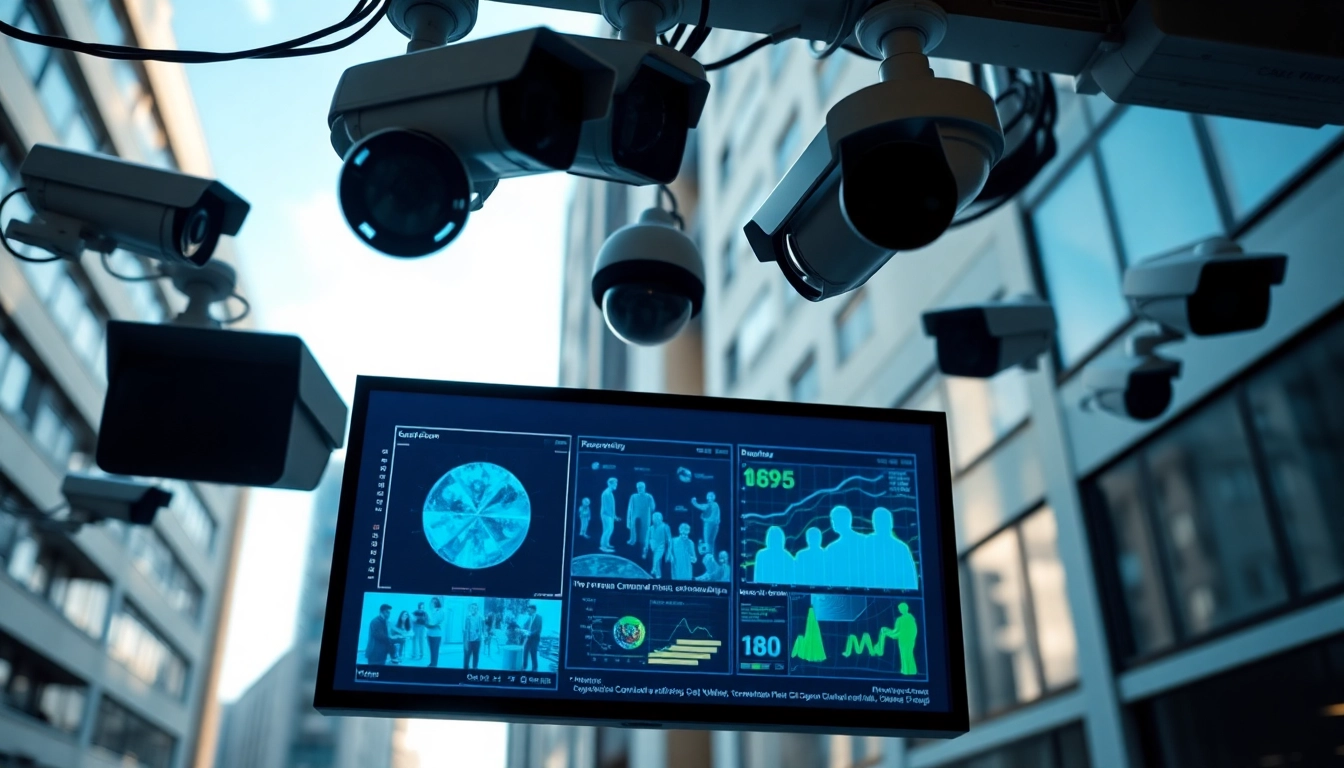
CCTV systems serve as a cornerstone of modern security strategy, providing monitoring capabilities across various environments, from public spaces to private properties. Traditionally, these systems were reliant on manual review of footage for incident management, often proving time-consuming and inefficient. The integration of computer vision transforms CCTV from passive observers to proactive entities capable of real-time threat detection, significantly enhancing response capabilities.
Benefits of Integrating Computer Vision
The adoption of computer vision for CCTV brings several notable benefits:
- Enhanced Threat Detection: AI-powered algorithms can identify specific threats such as unauthorized access or suspicious activities within moments.
- Automated Monitoring: Continuous analysis allows for 24/7 monitoring without human intervention, reducing labor costs and increasing efficiency.
- Data-Driven Insights: Organizations can gather actionable insights through analysis of visual data, aiding in decision-making and resource allocation.
- Operational Efficiency: Automation leads to reduced reaction times and improved incident management.
Key Applications of Computer Vision for CCTV
Real-time Monitoring and Threat Detection
One of the primary applications of computer vision in CCTV is real-time monitoring and alerting. Systems can analyze motion patterns, detect unusual behavior, and immediately alert security personnel for quick intervention. This capability is critical for environments like airports, banks, and retail stores where security risks must be mitigated proactively.
Facial Recognition and Identity Verification
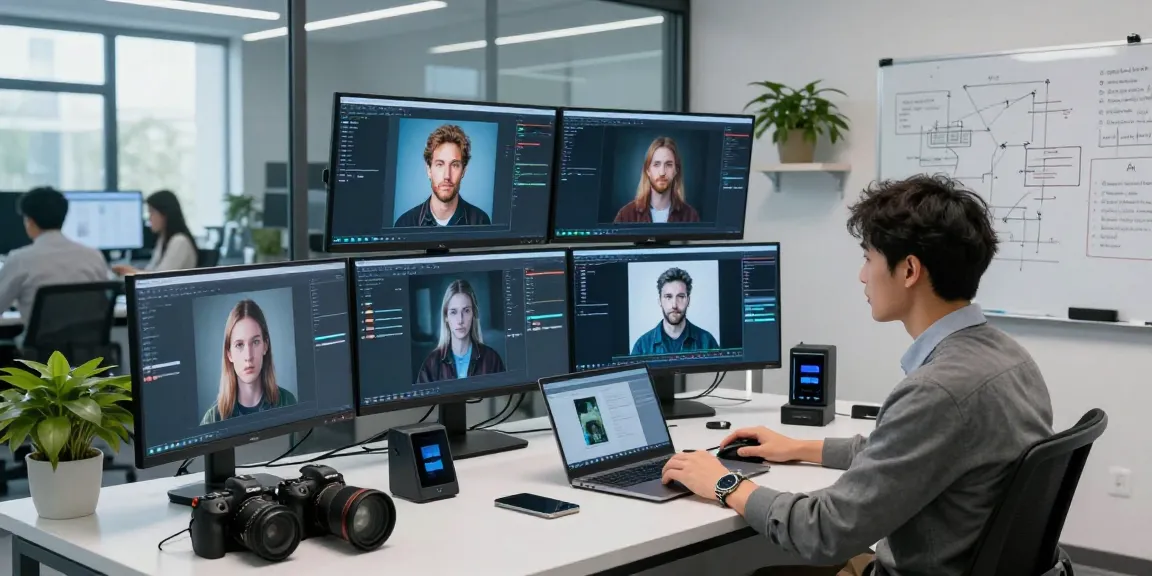
Facial recognition technology stands out as one of the most advanced applications of computer vision for CCTV. By comparing live images with a database, these systems can verify identities in real-time, thus enhancing security by tracking known criminals or monitoring access in sensitive areas. However, the implementation of such technology requires strict adherence to privacy regulations to avoid misuse.
Anomaly Detection and Behavioral Analysis
Beyond identifying specific threats, computer vision systems can analyze normal behavioral patterns within a monitored area. Training AI algorithms on baseline data enables the system to recognize anomalies, noting deviations from the expected behavior, which could indicate potential security breaches or emergencies.
Implementing Computer Vision for CCTV Systems
Assessing Your Security Needs
Before implementing computer vision technology in CCTV systems, organizations must assess their specific security needs. Factors to consider include the level of threat faced, the environment being monitored, and the desired outcomes from the installation. This phase ensures a tailored approach that effectively addresses unique security challenges.
Hardware and Software Requirements
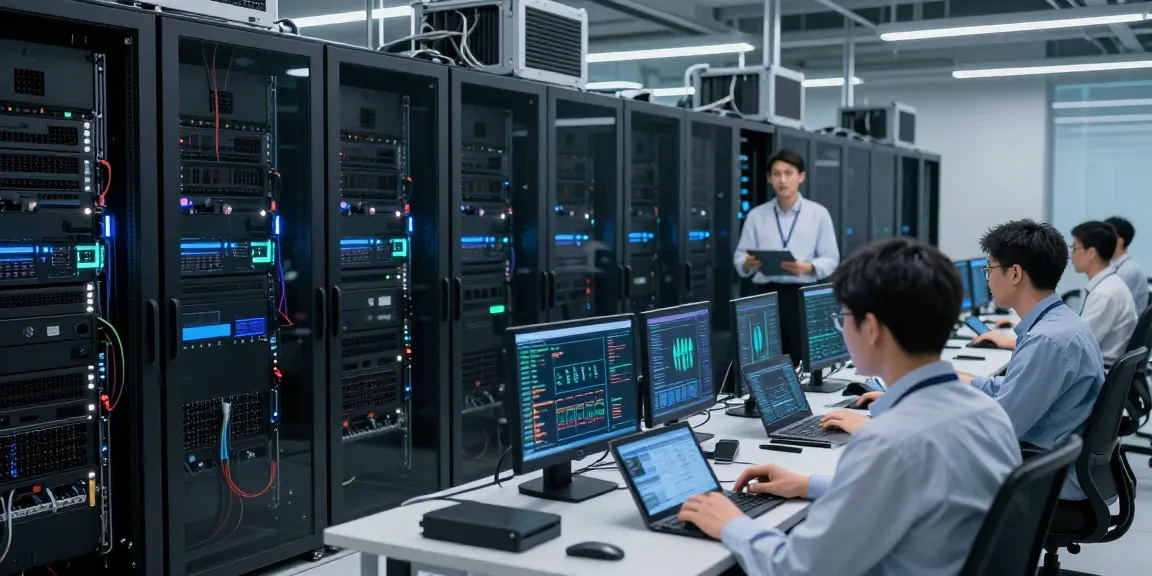
Implementing computer vision requires a synergy between advanced hardware and software solutions. High-resolution cameras are necessary to capture clear images suitable for analysis, while robust processing capabilities (often through edge computing or cloud solutions) are vital for real-time analysis. Additionally, choosing the right software that integrates AI algorithms seamlessly with existing systems is crucial for success.
Best Practices for Integration
Successful integration of computer vision into CCTV systems involves following best practices, including:
- Conducting thorough testing to ensure seamless operation.
- Prioritizing user training to maximize system utility.
- Regularly updating both software and hardware to keep pace with technological advancements.
- Implementing strong data privacy and protection measures to safeguard sensitive information.
Challenges and Limitations
Data Privacy Concerns
The integration of computer vision into CCTV raises significant data privacy concerns. Organizations must navigate complex legal landscapes and ethical considerations, ensuring compliance with regulations like GDPR while fostering transparency with the public regarding surveillance practices.
Technical Hurdles in Deployment
Deploying computer vision systems is not without its technical challenges. Issues such as high costs, the need for sophisticated infrastructure, and the technological gap among stakeholders can hinder implementation efforts. Organizations must plan carefully, allocating adequate resources and training to overcome these hurdles.
Keeping Up with Advancements
The rapid pace of advancement in AI and computer vision necessitates ongoing research and development efforts from organizations. Staying updated with technological breakthroughs ensures the continuous improvement of security systems and the ability to adapt to new threats as they emerge.
Future Trends in Computer Vision for CCTV
Advancements in AI and Deep Learning
The future of computer vision for CCTV is intertwined with advancements in AI. Innovations in deep learning will likely lead to more sophisticated recognition capabilities and faster processing times, enabling systems to analyze vast amounts of data with greater accuracy. As technology evolves, we can expect to see more adaptive and learning algorithms tailored to specific environments.
Predictions for Security Analytics
As computer vision matures, the potential for actionable insights based on data analytics will grow exponentially. Predictive analytics will allow organizations to forecast trends and potential security threats, leading to preemptive measures that enhance safety and operational efficiency. By leveraging big data, security systems will become smarter and more responsive.
Broader Implications for Law Enforcement
The integration of computer vision for CCTV has significant implications for law enforcement. Enhanced surveillance capabilities can support investigations and crime prevention strategies, while providing a reliable tool for gathering evidence. However, law enforcement agencies must balance these tools with accountability measures and community trust.
Frequently Asked Questions
What is computer vision for CCTV?
Computer vision for CCTV is the integration of AI technologies with CCTV systems to enable them to analyze visual data in real-time, enhancing security capabilities.
How does computer vision improve security?
Computer vision improves security by enabling better threat detection, automated monitoring, and actionable insights derived from visual data analysis.
What are common applications of computer vision in CCTV?
Common applications include real-time monitoring, facial recognition, anomaly detection, and behavioral analysis, among others.
What challenges does computer vision for CCTV face?
Challenges include data privacy concerns, technical deployment issues, and the need to keep pace with rapid technological advancements.
What does the future hold for computer vision in security?
The future trends suggest advancements in AI, predictive analytics, and broader implications for law enforcement, enhancing overall security strategies.