
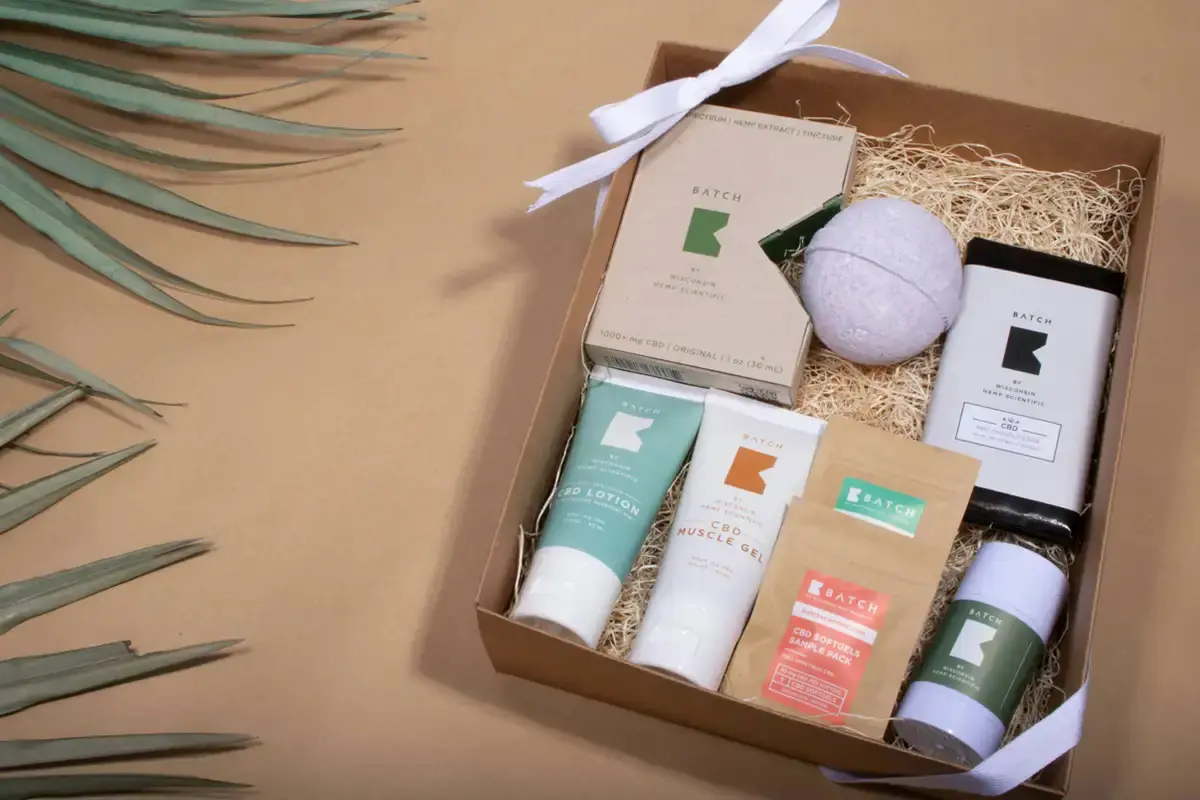
The modern marketplace is evolving rapidly, and brands must continuously adapt to meet changing customer expectations. One of the most important drivers of success today is packaging innovation. For Consumer packaged goods, packaging is no longer limited to protecting products during transportation and storage. It has become a powerful tool for branding, customer engagement, sustainability, and operational efficiency.
As competition increases across retail and e-commerce channels, Consumer packaged goods companies are investing in advanced packaging solutions that help them stand out. From eco-friendly materials to smart technology integration, innovative packaging strategies are transforming the way products are presented, distributed, and experienced by customers.
The Changing Landscape of Packaging Innovation
The packaging industry has undergone significant transformation over the past decade. Modern consumers expect convenience, sustainability, and visually appealing designs from the products they purchase. As a result, Consumer packaged goods manufacturers are embracing new technologies and materials that align with these expectations.
Today, successful Consumer packaged goods brands understand that packaging serves as a direct communication channel with customers. It influences purchasing decisions, strengthens brand recognition, and contributes to overall customer satisfaction. Companies that prioritize packaging innovation often gain a competitive advantage in crowded markets.
Sustainable Materials Driving Industry Growth
Sustainability has become one of the most influential trends in packaging development. Environmental concerns have encouraged businesses to explore alternatives to traditional packaging materials. Many organizations are replacing single-use plastics with recyclable, compostable, or biodegradable options.
For Consumer packaged goods, sustainable packaging offers both environmental and business benefits. Consumers increasingly prefer brands that demonstrate environmental responsibility, making eco-friendly packaging an important factor in purchasing decisions.
Many Consumer packaged goods companies are adopting lightweight packaging designs that reduce material usage while maintaining product protection. These initiatives help lower transportation costs, decrease carbon emissions, and improve overall operational efficiency.
In addition to material selection, businesses are redesigning packaging structures to minimize waste. Innovative engineering approaches enable brands to use fewer resources without sacrificing functionality or product quality.
Smart Packaging Technologies Enhancing Customer Experience
Technology is revolutionizing packaging in exciting ways. Smart packaging solutions are helping companies create stronger connections with consumers while improving product tracking and transparency.
Many Consumer packaged goods brands are integrating QR codes, near-field communication technologies, and digital tracking systems into their packaging designs. These features allow customers to access product information, usage instructions, promotional content, and brand stories through their smartphones.
For Consumer packaged goods manufacturers, smart packaging also improves supply chain visibility. Real-time tracking systems help monitor inventory levels, shipping conditions, and product authenticity. This increased transparency supports quality control and enhances customer trust.
As technology becomes more affordable and accessible, smart packaging is expected to play an even larger role in future packaging strategies.
Automation and Advanced Manufacturing Solutions
Packaging innovation extends beyond materials and design. Modern manufacturing technologies are transforming how products are packaged and delivered to market.
Many Consumer packaged goods companies are investing in automated packaging systems that improve efficiency, consistency, and scalability. Automation reduces human error while increasing production speed, allowing businesses to meet growing market demands.
For Consumer packaged goods brands launching new products, automated packaging solutions offer greater flexibility and faster turnaround times. Companies can quickly adjust production lines to accommodate changing consumer preferences or seasonal demand fluctuations.
Advanced robotics, artificial intelligence, and data analytics are also contributing to improved packaging performance. These technologies help optimize workflows and maximize operational productivity across manufacturing facilities.
Flexible Packaging Solutions for Modern Markets
Flexible packaging has become increasingly popular due to its versatility and cost-effectiveness. Pouches, sachets, and flexible films offer numerous advantages compared to traditional rigid packaging formats.
Many Consumer packaged goods manufacturers are choosing flexible packaging because it reduces material usage and transportation costs. Lightweight packaging solutions require less storage space and often provide enhanced convenience for consumers.
Additionally, Consumer packaged goods brands benefit from the design flexibility that modern packaging formats offer. High-quality graphics, innovative shapes, and user-friendly features help products attract attention on retail shelves and digital marketplaces.
Flexible packaging also supports sustainability initiatives by reducing waste and improving resource efficiency throughout the supply chain.
Personalization and Brand Differentiation
Consumers increasingly seek personalized experiences from the brands they support. Packaging has become an effective platform for creating meaningful connections with target audiences.
Many Consumer packaged goods companies use customized packaging designs to reflect regional preferences, seasonal campaigns, or customer interests. Personalized packaging can strengthen brand loyalty and encourage repeat purchases.
For Consumer packaged goods businesses, differentiation is essential in competitive markets. Unique packaging elements such as limited-edition artwork, interactive features, and premium finishes help products stand out from competitors.
Personalization also enables brands to communicate their values more effectively. Whether highlighting sustainability initiatives, product origins, or company missions, packaging can serve as a powerful storytelling medium.
The Role of Packaging Partners in Innovation
Developing innovative packaging solutions often requires specialized expertise and technical resources. Many businesses collaborate with experienced packaging providers to bring new ideas to life.
For Consumer packaged goods manufacturers, working with knowledgeable packaging partners can accelerate product development and commercialization efforts. These partnerships provide access to advanced equipment, engineering expertise, and industry insights.
Professional support helps Consumer packaged goods companies evaluate packaging materials, optimize production processes, and ensure compliance with industry regulations. Collaborative innovation often leads to more efficient and effective packaging solutions.
Packaging partners can also assist with pilot production, testing, and scalability planning, reducing risks associated with new product launches and packaging transitions.
Future Trends Shaping Packaging Development
The future of packaging innovation will be influenced by evolving consumer expectations, technological advancements, and environmental priorities. Businesses that embrace change will be better positioned for long-term success.
Emerging trends include intelligent packaging systems, renewable materials, digital printing technologies, and enhanced recycling infrastructure. These developments will continue to reshape the packaging landscape and create new opportunities for growth.
Companies that invest in research and development can stay ahead of market shifts while delivering greater value to customers. Packaging innovation will remain a critical factor in building strong brands and maintaining competitive advantages.
Conclusion
Packaging innovation has become a strategic priority for modern businesses seeking growth and market differentiation. For Consumer packaged goods, effective packaging influences customer perception, supports sustainability goals, and improves operational performance.
As market expectations continue to evolve, Consumer packaged goods companies must remain proactive in adopting innovative solutions that enhance product appeal and efficiency. From sustainable materials to smart technologies, packaging advancements are transforming the way brands connect with consumers.
The future of Consumer packaged goods success will increasingly depend on packaging strategies that balance functionality, environmental responsibility, and customer experience. Organizations that embrace innovation today will be better prepared to thrive in tomorrow’s competitive marketplace.