
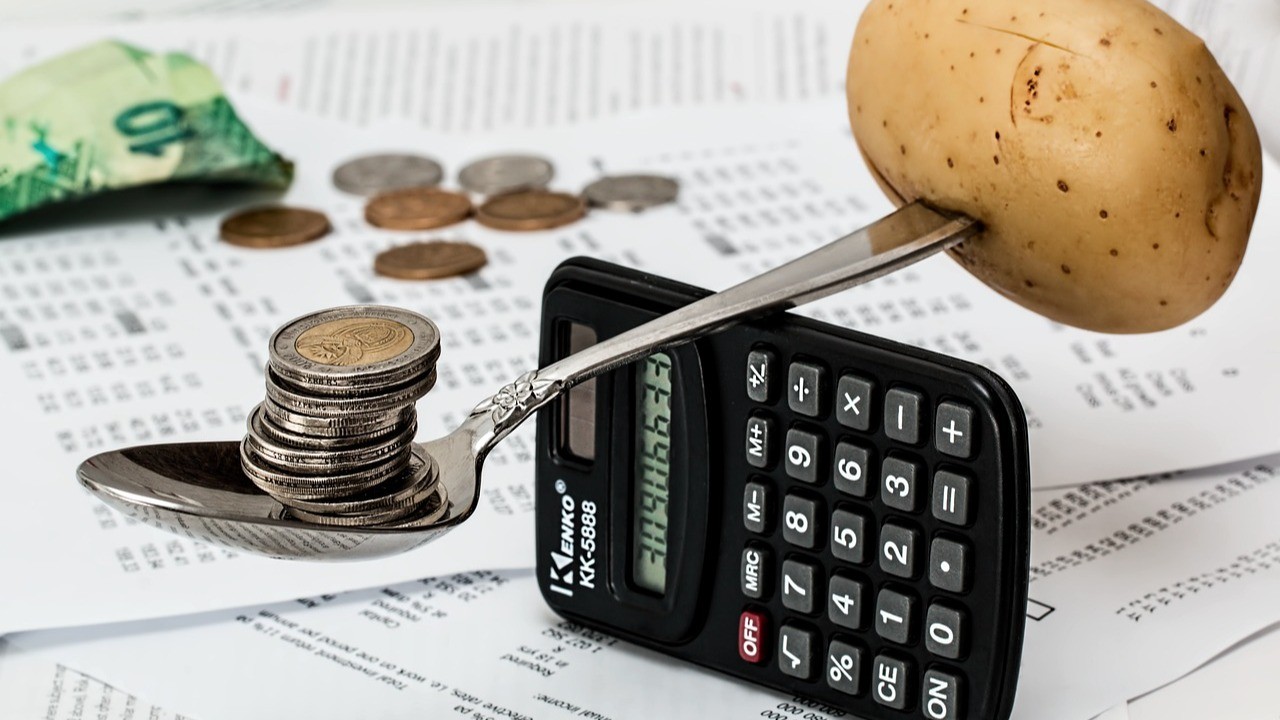
For many people, the challenge of making money last until the next paycheck feels like an endless cycle. Bills arrive, everyday expenses add up, and before long there is more month left than money. The good news is that learning how to stop running out of money before payday does not require eliminating every enjoyable expense or living an extremely restrictive lifestyle. In most cases, small adjustments to spending habits, cash flow management, and financial awareness can create meaningful improvements without making life feel difficult.
Many financial guides focus on cutting everything that is not essential. While reducing unnecessary expenses can help, sustainable financial progress usually comes from smarter money management rather than extreme sacrifice. By understanding where your money goes and making intentional decisions, you can improve your financial situation while still maintaining a balanced lifestyle.
This guide explores practical strategies that can help you stop running out of money before payday without making drastic budget cuts.
Why People Run Out of Money Before Payday
Before addressing solutions, it is important to understand why this problem occurs in the first place.
Income and Expenses Are Often Out of Sync
Many households have predictable income but unpredictable expenses. Even when earnings remain consistent, unexpected costs can quickly disrupt a budget.
Small Purchases Add Up
Daily spending often feels harmless. A coffee here, a takeout meal there, and a few online purchases can accumulate into hundreds of dollars each month.
Lack of Financial Visibility
When people do not regularly track their spending, they may not realize how quickly money is leaving their accounts.
Rising Living Costs
Inflation and increasing costs for housing, transportation, groceries, and utilities can make it harder to maintain financial stability even when income remains unchanged.
Understanding these factors is the first step toward solving the problem.
The Problem With Drastic Budget Cuts
Many people attempt to fix cash flow issues by making extreme reductions to spending.
Restrictive Budgets Often Fail
When a budget becomes too restrictive, it can feel impossible to maintain. This often leads to frustration and eventually abandoning the plan altogether.
Deprivation Can Trigger Overspending
Completely eliminating all discretionary spending can create feelings of deprivation. Over time, this may result in impulsive purchases and financial setbacks.
Sustainable Habits Matter More
Long-term success usually comes from creating realistic systems that can be maintained month after month.
Instead of focusing solely on what to cut, focus on improving how money is managed.
Understand Your Current Spending Habits
The first step toward better cash flow is understanding where your money currently goes.
Track Every Expense
Spend at least one month recording every purchase, including:
- Groceries
- Transportation
- Dining out
- Entertainment
- Online shopping
- Subscription services
Tracking spending provides valuable insights into financial behavior.
Identify Spending Categories
Group expenses into categories to see where the largest portions of your income are being spent.
Look for Patterns
You may discover recurring habits that quietly consume more money than expected.
Financial awareness often reveals opportunities for improvement without requiring significant sacrifices.
Create a Payday-Based Spending Plan
Traditional monthly budgets do not always align with actual income schedules.
Budget Around Paychecks
Instead of budgeting according to calendar months, organize finances around payday dates.
Allocate Essentials First
Immediately after receiving income, set aside money for:
- Housing
- Utilities
- Transportation
- Groceries
- Debt payments
Covering priorities first reduces the risk of running short later.
Assign Every Dollar a Purpose
When income has a designated role, spending becomes more intentional and easier to manage.
This approach can dramatically improve cash flow without requiring major budget cuts.
Build Better Cash Flow Habits
Managing cash flow effectively is often more important than reducing spending.
Spread Expenses Throughout the Month
If possible, schedule bill payments so they are not concentrated in a single week.
Maintain a Spending Buffer
Even a small financial cushion can reduce stress and improve flexibility.
Avoid Spending Future Income
Treat each paycheck as separate from future earnings rather than assuming next month's income will solve today's overspending.
Strong cash flow habits help ensure money lasts longer between paydays.
Reduce Waste Instead of Cutting Enjoyment
Many people assume financial improvement means giving up everything enjoyable. In reality, reducing waste is often enough.
Review Subscription Services
Evaluate all recurring memberships and cancel those that no longer provide value.
Minimize Food Waste
Planning meals and using leftovers can reduce grocery costs significantly.
Compare Service Providers
Shopping around for insurance, internet, and utility options may uncover savings opportunities.
Use Discounts Strategically
Take advantage of loyalty programs, rewards, and promotions when making planned purchases.
These adjustments can free up money without dramatically affecting lifestyle.
Use Weekly Spending Limits
One reason people run out of money before payday is spending too much too early.
Divide Spending Into Weekly Amounts
After paying essential bills, divide remaining discretionary funds into weekly allocations.
Monitor Progress Regularly
Checking spending weekly makes it easier to stay on track.
Adjust as Needed
If one week requires additional spending, balance it by reducing expenses during another week.
Weekly limits create structure without feeling restrictive.
Improve Grocery Spending Without Sacrificing Quality
Food expenses are often one of the largest flexible categories in a household budget.
Plan Meals Ahead
Meal planning reduces unnecessary purchases and food waste.
Shop With a List
A shopping list helps avoid impulse purchases and keeps spending focused.
Buy Store Brands
Many store-brand products offer similar quality at lower prices.
Limit Convenience Spending
Prepared meals and frequent takeout can quickly increase food costs.
Making small adjustments to grocery habits can create noticeable savings each month.
Create a Small Emergency Fund
Unexpected expenses are one of the biggest reasons people struggle before payday.
Start With Achievable Goals
Focus on saving:
- $100
- Then $250
- Then $500
Small milestones build momentum.
Automate Contributions
Automatic transfers make saving easier and more consistent.
Protect the Fund
Reserve emergency savings for genuine emergencies rather than routine spending.
Even a modest emergency fund can prevent financial disruptions.
Control Impulse Spending
Impulse purchases often have a larger impact than people realize.
Use a Waiting Period
Wait at least 24 to 48 hours before making non-essential purchases.
Ask Important Questions
Consider:
- Do I truly need this?
- Will I still want it next week?
- Does this purchase support my financial goals?
Reduce Shopping Triggers
Limiting exposure to promotional emails and advertising can decrease temptation.
Better purchasing decisions help stretch income further.
Manage Debt More Effectively
Debt obligations can make it difficult to maintain positive cash flow.
Understand Your Balances
List all outstanding debts, including interest rates and monthly payments.
Prioritize High-Interest Debt
Reducing expensive debt can improve financial flexibility over time.
Avoid Unnecessary Borrowing
Relying on credit cards to cover everyday expenses often creates long-term challenges.
Debt management is an important component of lasting financial stability.
Increase Financial Awareness Through Regular Reviews
Consistent financial check-ins help prevent problems before they become serious.
Review Accounts Weekly
Spend a few minutes reviewing:
- Bank balances
- Recent transactions
- Upcoming bills
- Savings progress
Monitor Spending Trends
Identifying patterns early allows for quick adjustments.
Celebrate Progress
Recognizing improvements helps maintain motivation and encourages positive habits.
Financial awareness is one of the most powerful tools for avoiding payday shortages.
How Ask Fin Can Support Better Money Management
Money management becomes more difficult when financial information is scattered across multiple accounts, bills, savings goals, and debt obligations.
Ask Fin helps simplify financial decisions by offering fourteen practical money tools focused on:
Budgeting Support
Gain a clearer understanding of income, expenses, and spending patterns.
Savings Guidance
Create realistic savings goals and monitor progress effectively.
Spending Insights
Identify opportunities to improve spending habits without unnecessary restrictions.
Debt Management Tools
Understand repayment options and improve overall financial health.
Financial Habit Building
Develop sustainable routines that support long-term stability.
Better Decision-Making
See the bigger financial picture and make informed choices with greater confidence.
By helping users organize and understand their finances, Ask Fin supports individuals who want to stop running out of money before payday without drastic budget cuts.
Common Mistakes to Avoid
Certain habits can make financial improvement more difficult.
Ignoring Small Expenses
Minor purchases may seem insignificant individually but often add up substantially over time.
Waiting Until Money Is Gone
Reviewing finances only when funds become low limits available options.
Depending on Credit Cards
Using debt to bridge spending gaps can create larger challenges later.
Skipping Financial Planning
Even simple planning provides more control over money.
Pursuing Perfection
Financial progress is about consistency, not perfection.
Avoiding these common mistakes can make a significant difference.
Building Long-Term Financial Stability
Financial success is rarely achieved through one dramatic change. Instead, it results from consistent habits practiced over time.
Focus on Progress
Small improvements accumulate into meaningful results.
Maintain Financial Awareness
Regular monitoring helps keep spending aligned with goals.
Prioritize Flexibility
A realistic financial plan should adapt to changing circumstances.
Continue Learning
The more knowledge you gain about personal finance, the easier it becomes to make effective decisions.
Long-term stability comes from sustainable systems rather than temporary sacrifices.
Conclusion
Learning how to stop running out of money before payday without drastic budget cuts is entirely possible. The key is not eliminating every enjoyable expense but improving financial awareness, strengthening cash flow habits, and making more intentional decisions with money.
By tracking spending, creating a payday-based budget, using weekly spending limits, controlling impulse purchases, building emergency savings, and leveraging practical tools like Ask Fin, you can create a more stable financial foundation without feeling deprived.
Financial improvement does not require perfection. Small, consistent changes often produce the most lasting results. Start with one or two strategies today, remain committed to the process, and you can gradually break the cycle of running out of money before payday while building greater confidence in your financial future.