Understanding GHK-Cu and Its Significance in Research
GHK-Cu, or Glycyl-L-Histidyl-L-Lysine copper complex, is an important tripeptide that has garnered notable attention in the scientific community. This naturally occurring copper peptide is known for its remarkable properties in enhancing healing and tissue regeneration, making it a focal point of numerous studies in the fields of dermatology, regenerative medicine, and cellular biology. As researchers increasingly explore its applications, understanding the characteristics and significance of GHK-Cu becomes essential for laboratory settings.
What is GHK-Cu?
GHK-Cu is a small peptide consisting of three amino acids: glycine, histidine, and lysine, bound to a copper ion (Cu). This complex has been shown to have a high affinity for copper, which is crucial for various biological processes. First isolated from human plasma, GHK-Cu is also present in saliva and urine. Its unique structure allows it to interact with various cell types, influencing cellular behavior and promoting healing processes.
History and Discovery of GHK-Cu
The discovery of GHK-Cu dates back to the early 1970s when it was first identified and characterized in human plasma. Its pivotal role in biological functions, such as wound healing and anti-inflammatory responses, has made it a subject of extensive research. Over the years, various studies have demonstrated its effectiveness in stimulating collagen synthesis and enhancing skin regeneration, thus spurring interest in its potential therapeutic applications.
Importance of GHK-Cu in Laboratory Settings
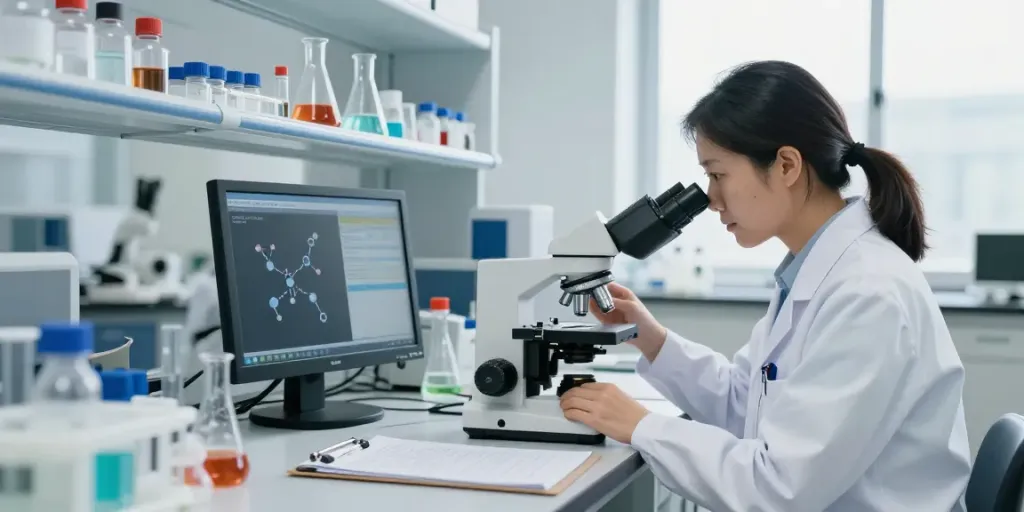
In laboratory settings, GHK-Cu serves as a valuable tool for researchers investigating skin regeneration, wound healing, and anti-aging effects. Its capacity to foster cellular growth and repair makes it an ideal candidate for experiments aimed at understanding the mechanisms of tissue regeneration. Moreover, the availability of GHK-Cu in peptide form enables scientists to conduct controlled studies and derive insights that could lead to innovative treatments.
Applications and Benefits of GHK-Cu in Scientific Studies
GHK-Cu has a wide array of applications within scientific studies, offering numerous benefits that contribute to its popularity among researchers.
GHK-Cu in Collagen Production and Wound Healing
One of the most remarkable properties of GHK-Cu is its ability to promote collagen production. Collagen is a critical protein that provides structure and strength to various tissues in the body. Several studies have demonstrated that GHK-Cu treatment significantly enhances collagen synthesis in fibroblasts. For instance, a study published in the Journal of Investigative Dermatology showed that GHK-Cu applied to human skin improved collagen production, leading to enhanced wound healing. This peptide not only aids in wound repair but also helps restore skin elasticity and firmness, making it a valuable asset in dermatological research.
Potential in Anti-Aging Research
The anti-aging properties of GHK-Cu have attracted considerable attention in cosmetic and pharmaceutical research. Its ability to stimulate collagen and elastin production translates into visible improvements in skin appearance. Research has shown that topical application of GHK-Cu can reduce fine lines and wrinkles, enhance skin clarity, and promote a more youthful complexion. As a result, GHK-Cu is often incorporated into skincare formulations aimed at combating the signs of aging, and its efficacy continues to be evaluated in clinical trials.
Use in Hair Growth Studies
GHK-Cu has also gained traction in studies focused on hair growth and restoration. This peptide is believed to improve hair follicle function and promote hair growth by stimulating the proliferation of dermal papilla cells. Preliminary research indicates that GHK-Cu can lead to increased hair density and thickness, making it a promising candidate for future therapeutic applications targeting hair loss and thinning. As researchers delve deeper into its role, GHK-Cu could revolutionize hair restoration treatments.
Best Practices for Handling and Storing GHK-Cu Peptides
Proper handling and storage of GHK-Cu peptides are crucial to maintaining their stability and efficacy in laboratory settings.
Recommended Storage Conditions
GHK-Cu should be stored in a cool, dry place to preserve its integrity. Unopened vials can remain stable at ambient temperatures, while reconstituted peptides should be stored at 4°C and used within 30 days. It is essential to keep the peptides away from direct light and moisture to avoid degradation.
Sample Preparation Techniques
When preparing samples for experimentation, aseptic techniques should be employed to prevent contamination. Researchers should ensure that all equipment is sterilized and that gloves are worn during handling. Additionally, following the recommended protocols for reconstituting and diluting GHK-Cu is key to ensuring accurate experimental results.
Safety Protocols in the Laboratory
Safety is paramount when working with peptides like GHK-Cu. Researchers must follow institutional guidelines and safety protocols to minimize any potential risks. This includes using personal protective equipment (PPE) and ensuring proper disposal of any waste materials. It is also advisable to familiarize oneself with the specific characteristics of GHK-Cu to understand its properties and potential hazards.
Challenges and Misconceptions Surrounding GHK-Cu
Despite its numerous benefits, GHK-Cu is surrounded by several misconceptions that can affect its utilization in research.
Common Misunderstandings
One common misconception is that GHK-Cu is only useful for cosmetic purposes. While it is true that many of its applications lie within the realm of aesthetic treatments, GHK-Cu's potential extends far beyond that, offering valuable insights into cellular biology and regenerative medicine. Educating researchers and practitioners about its broader applications can help dispel these misunderstandings.
Legal Regulations and Compliance
GHK-Cu's legal status varies across different regions, impacting its availability and usage in research. In many countries, peptides like GHK-Cu are classified under research chemicals and are regulated accordingly. Researchers must ensure compliance with local regulations before utilizing GHK-Cu in their studies. Understanding these legal frameworks is crucial for maintaining ethical research practices.
Limitations of GHK-Cu Research
While GHK-Cu holds promise, certain limitations exist in its research. Most studies conducted to date have been limited to in vitro or animal models, with a need for more extensive clinical trials to validate its efficacy in humans. Furthermore, variations in peptide quality and purity can lead to inconsistent results, which underscores the importance of sourcing GHK-Cu from reputable suppliers who provide Certificates of Analysis (CoA).
Future Trends in GHK-Cu Research and Applications
The landscape of GHK-Cu research is continually evolving, with promising trends emerging that could shape its future applications.
Emerging Research Areas for 2026
As 2026 approaches, researchers are exploring innovative applications of GHK-Cu beyond traditional uses. Potential areas of research include its role in regenerative medicine, applications in wound healing for chronic injuries, and even its use in veterinary medicine for treating animal health conditions. New formulations and delivery methods are also being investigated to enhance the peptide's effectiveness.
Innovative Uses in Biotechnology
Biotechnology is another field where GHK-Cu is making waves. Its ability to modulate gene expression may lead to groundbreaking applications in gene therapy and genetic engineering. This peptide has the potential to be integrated into biopharmaceuticals, allowing for targeted therapeutic interventions that address various diseases at the molecular level.
Predicted Changes in Regulatory Landscapes
As research surrounding peptides like GHK-Cu progresses, changes in regulatory landscapes are anticipated. Increased demand for scientific validation and standardization may prompt shifts in how peptides are classified and regulated worldwide. Researchers must stay informed about these developments to ensure compliance and to leverage new opportunities as they arise.
FAQ: What is the recommended dosage for GHK-Cu?
The optimal dosage for GHK-Cu varies depending on its application and the specific goals of the research. Researchers typically follow published guidelines or preliminary study outcomes when determining dosage parameters. It is important to conduct thorough literature reviews to obtain the most current and relevant dosing information.
FAQ: Are there any side effects of using GHK-Cu?
GHK-Cu is generally well-tolerated in research settings. However, as with any peptide, researchers should monitor for potential side effects, which may include localized irritation or allergic reactions, particularly when applied topically. Understanding the risk factors involved in usage can help mitigate adverse reactions.
FAQ: How can GHK-Cu contribute to skin restoration?
GHK-Cu enhances skin restoration by stimulating collagen and elastin production, which are essential for skin elasticity and structural integrity. Its ability to promote cellular repair mechanisms makes it a powerful agent in both wound healing and anti-aging applications.
FAQ: What safety measures should be observed in GHK-Cu handling?
When working with GHK-Cu, researchers should prioritize safety by wearing PPE, employing sterile techniques during sample preparation, and ensuring proper storage conditions to prevent degradation. It is also advisable to consult institutional safety guidelines before conducting experiments.
FAQ: Where can I purchase high-quality GHK-Cu peptides?
High-quality GHK-Cu peptides can be sourced from reputable suppliers specializing in research-grade products. It is essential to choose suppliers that provide CoA, ensuring the peptides meet quality and purity standards for research applications.