Understanding Bed Bug Heat Treatment
What is Bed Bug Heat Treatment?
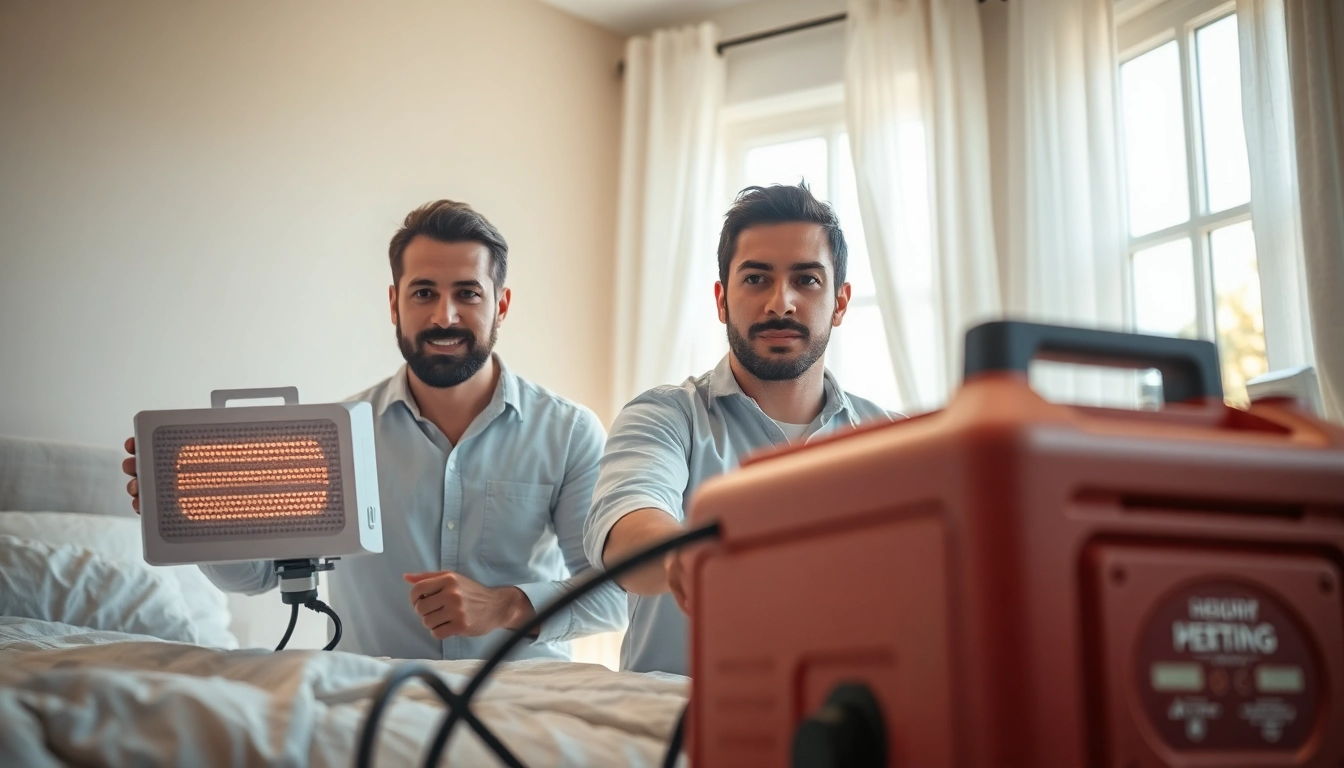
Bed bug heat treatment is a method used to eradicate bed bugs from infested areas by increasing the ambient temperature to levels lethal to these pests. Typically, effective heat treatment involves raising the temperature to a minimum of 120°F (49°C) for several hours. This process targets all stages of bed bugs, including eggs, nymphs, and adults. Bed bugs are notorious for their resilience and ability to hide in seemingly impenetrable spaces, making heat treatment a preferred choice for many homeowners seeking a chemical-free solution to an infestation. Bed bug heat treatment is often conducted by professionals using specialized equipment, but some individuals opt to tackle the issue themselves with rented or purchased heaters.
Advantages of Bed Bug Heat Treatment
One of the principal advantages of bed bug heat treatment is its non-toxic nature. Unlike chemical treatments that may leave residues and pose potential health risks, heat treatment is safe for both residents and pets, making it a more appealing option for families. Furthermore, heat treatment can penetrate deep into materials—like mattresses, upholstered furniture, and even the walls—where bed bugs typically hide. Effective heat treatments can eliminate an infestation in a single day, reducing the hassle and stress often associated with longer-term treatments.
How Heat Kills Bed Bugs
Heat kills bed bugs by disrupting their physiological processes. When exposed to high temperatures, bed bugs lose their ability to reproduce and develop, ultimately leading to their death. Specifically, temperatures above 120°F (49°C) can kill bed bugs in all life stages within approximately one hour, while temperatures around 135°F (57°C) can kill them much more quickly. The effectiveness of heat largely relies on maintaining consistent temperatures throughout the infested space, targeting hidden bugs that might escape treatment from other methods.
Preparing for Bed Bug Heat Treatment
Steps to Prepare Your Home
Before undergoing bed bug heat treatment, thorough preparation is crucial for success. Begin by cleaning the treatment area: vacuum carpets, upholstered furniture, and any potential hiding places. It’s recommended to launder bedding, curtains, and clothing in hot water to eliminate any possible bugs not directly affected by the heating process. Remove any items that could obstruct airflow, such as cluttered furniture or personal belongings. This ensures that heat can circulate freely, maximizing its efficacy in reaching bed bugs where they hide.
What to Expect During the Treatment
During the actual heat treatment, you'll notice a significant increase in temperature as specialized heaters are placed strategically around the treatment area. The process generally lasts between four to eight hours, depending on the severity of the infestation and the size of the area being treated. You may be advised to stay away from the premises to allow the treatment to work effectively without any interruptions. Any items that may be damaged by heat, including electronics and certain plastics, should be removed beforehand to avoid the risk of damage.
Common Misconceptions About Heat Treatment
Despite its effectiveness, several misconceptions about bed bug heat treatment persist. Some believe that heat treatment alone can guarantee complete eradication without proper preparation or follow-up measures. However, a successful heat treatment should be part of an integrated pest management plan, including continued vigilance against re-infestation. Others worry that heat treatment might damage their belongings; however, when done correctly, heat treatment is generally safe for most household items, especially when precautions are taken.
Implementing Bed Bug Heat Treatment
Choosing the Right Equipment
The success of bed bug heat treatment largely depends on the effectiveness of the equipment used. Professional-grade heaters are designed to efficiently maintain and distribute high temperatures throughout a room. Options include electric heaters, propane heaters, and portable heating units. Each type has its strengths; for instance, electric heaters may be preferred for indoor use, while propane heaters can be beneficial for larger, outdoor applications. If you’re considering a DIY approach, ensure that the equipment is capable of reaching and sustaining the target temperature for the required duration.
Professional vs. DIY Bed Bug Heat Treatments
While some homeowners may feel confident tackling bed bug infestations independently, enlisting the help of professionals often leads to more effective results. Consultants and exterminators have the experience to recognize and treat bed bug hotspots that a non-professional might miss. Additionally, they bring expertise on effective equipment use, ensuring that temperatures are monitored and maintained consistently. For those who choose a DIY approach, extensive research and preparation are critical to ensure a successful outcome, as improper application can lead to an incomplete solution.
Monitoring Temperature for Effectiveness
During heat treatment, effective temperature monitoring is paramount. Sensors and thermometers can help track the ambient temperature in real-time, ensuring that the heat reaches critical areas. Typically, technicians will monitor temperatures regularly throughout the process to confirm that consistent conditions are maintained for a period sufficient to eliminate bed bugs. For DIY treatments, strategically positioning multiple temperature monitors can help cover various areas, especially where bugs tend to hide.
Post-Treatment Care
Signs of Successful Treatment
After heat treatment, several indicators can signify that the procedure has been effective. One of the most notable signs is a reduction or complete absence of bed bug sightings. Another indicator is the presence of dead bed bugs and discarded exoskeletons in areas once heavily infested. To confirm the efficacy of treatment, it’s wise to conduct follow-up inspections or utilize pest detection services, allowing for an objective assessment of success.
Preventing Future Infestations
Once bed bugs have been eradicated, proactive measures are essential to prevent future infestations. Regularly inspecting and cleaning sleeping areas, avoiding the purchase of used furniture without checking for pests, and being cautious when traveling can all help mitigate the risk of future problems. In addition, sealing cracks and crevices in walls, floors, and furniture will eliminate potential refuge areas for bed bugs and can greatly reduce the chances of re-infestation.
When to Seek Professional Help
If you notice persistent signs of bed bugs despite efforts to control the problem or if the infestation appears overwhelming, seeking professional help is advisable. Reputable pest control services can provide comprehensive assessments based on your situation, employing integrated pest management strategies that cater to your unique needs and maximally effective treatments.
Frequently Asked Questions About Bed Bug Heat Treatment
How long does bed bug heat treatment last?
Typically, the heat treatment process lasts about 4 to 8 hours, depending on the size of the infested area and the severity of the infestation.
Is heat treatment safe for my belongings?
Yes, heat treatment is generally safe for most household items. However, sensitive electronics and plastics should be removed before treatment to avoid damage.
Can bed bug heat treatment damage my home?
When conducted properly, heat treatment should not damage your home. Equipment is designed to safely heat spaces without structural harm. Care should be taken if excessive heat is focused on susceptible areas.
How quickly can I return home after treatment?
After heat treatment, it is typically advised to wait 4 to 6 hours before returning to allow temperatures to stabilize and ensure safety.
What temperatures are required for effective treatment?
To effectively kill bed bugs, aim for a temperature of at least 120°F (49°C). Higher temperatures are more effective and quicker at eliminating pests.