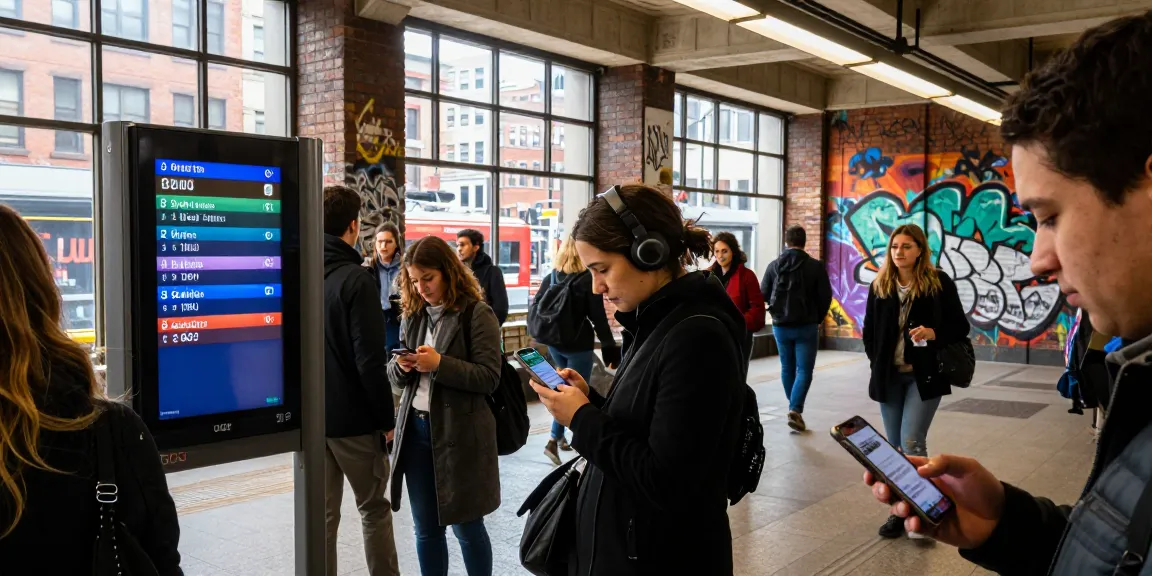
Understanding Train Tracker Technology and Its Importance
With the rapid advancement in transportation technologies, the ability to track trains in real-time has become increasingly vital. The concept of a train tracker is not just a convenience; it is a necessity for millions of commuters globally. Whether you are late for work or planning a trip, knowing the exact arrival times and delays can significantly impact your travel experience. In this article, we delve deep into what train trackers are, how they work, their benefits, and future trends shaping this technology.
What is a Train Tracker?
A train tracker is a digital service or application that provides real-time information about train schedules, locations, and delays. Utilizing data feeds from transit authorities, these trackers offer users timely updates on their journeys, making travel more efficient and less stressful. From mobile apps to web interfaces, train trackers have become integral tools for urban commuters.
How Real-Time Tracking Works
Real-time tracking operates on a foundation of complex data infrastructures, primarily based on the General Transit Feed Specification (GTFS). With the implementation of the GTFS-Realtime standard, transit agencies can provide live updates directly to applications like train trackers. This data includes vehicle positions, trip updates, and service alerts, all updated at intervals often as frequent as every 30 seconds. Such systems ensure that commuters receive accurate and timely information, enhancing their travel experience.
Benefits of Using a Train Tracker
- Improved Time Management: Knowing when your train will arrive can help you plan your time better, cutting down on wait times.
- Enhanced Communication: Real-time alerts about delays or service changes keep travelers informed.
- Increased Reliability: Commuters are more likely to rely on public transport when they have accurate data at their fingertips.
Key Features of Modern Train Trackers
Real-Time Arrivals and Delays
The most crucial feature of any train tracker is its ability to provide real-time data on train arrivals and delays. This function is critical for users who need to synchronize their schedules with the unpredictability of public transportation. With many train trackers pulling data directly from agencies, users can see not just when a train is expected but also live updates indicating any deviations from the schedule.
User-Friendly Interface Design
Modern train tracking applications are designed for ease of use. Whether on a mobile device or desktop, intuitive layouts and simple navigational tools allow users to access the information they need with minimal effort. Features like map views and station-specific details enhance user experience, catering to tech-savvy individuals and those less familiar with digital interfaces alike.
Integration with GTFS-Realtime
The integration of GTFS-Realtime is what sets advanced train trackers apart. By utilizing this open standard, these tools can present real-time updates in an efficient and standardized manner. This seamless integration reduces confusion regarding data interpretation, allowing for consistent experiences across different cities and transit systems.
Common Challenges in Train Tracking
Data Accuracy and Reliability Issues
Despite the advantages, train trackers still face challenges regarding data accuracy and reliability. Since the information is sourced from various agencies, inconsistencies in data feeds can lead to incorrect or outdated information being presented to users. This can be particularly frustrating in high-traffic cities where delays are frequent.
Limitations of Current Technology
Technological limits also play a significant role in the effectiveness of real-time tracking. Not all transit agencies have implemented GTFS-Realtime capabilities, leading to gaps in the data available to users. Additionally, older infrastructure may not support the rapid data transmission required for real-time updates, impacting service quality.
Infrequent or Inconsistent Updates
Inconsistent update intervals can further complicate the reliability of train trackers. If updates are infrequent or sporadic, users may find themselves waiting for long periods without any information about their journey, defeating the purpose of using a train tracker in the first place.
Future Trends for Train Tracking Systems
Innovations Expected by 2026
The future of train tracking systems looks promising, with several innovations anticipated by 2026. Advanced sensors and IoT devices are expected to enhance data collection capabilities, providing even more precise real-time tracking information. This evolution will allow for better monitoring of train conditions and operational efficiency.
Potential Role of AI and Machine Learning
Artificial Intelligence (AI) and machine learning technologies are likely to play a pivotal role in the transformation of train tracking systems. These technologies can analyze vast amounts of data to predict trends, identify potential issues before they occur, and provide tailored travel recommendations to users, further enhancing the commuter experience.
Enhanced User Experience Through Personalization
Future train trackers will likely incorporate more personalized features, allowing users to tailor their experience based on their travel habits. By analyzing user preferences, trackers could offer customized notifications about delays, alternative routes, or even suggest the best time to catch their train, making public transport more user-friendly.
Practical Applications of Train Trackers
City-Specific Use Cases
Different cities leverage train tracking technology to address unique transportation challenges. For example, in densely populated urban areas, where delays can have a cascading effect on commuters, real-time updates mean that users can adapt their travel plans on the fly. In contrast, cities with fewer public transport options benefit from scheduled updates, ensuring users maximize their time efficiently.
Benefits for Everyday Commuters
For everyday commuters, train trackers are invaluable tools that enhance the reliability and efficiency of public transportation. By providing real-time updates and alerts, commuters can better align their activities and responsibilities with their travel plans. This is particularly crucial for those balancing work and personal life.
Impact on Urban Transportation Planning
Moreover, the data collected from train tracking systems can also guide urban transportation planning. By analyzing travel patterns and peak times, city planners can make informed decisions about service enhancements, infrastructure developments, and investment in new technologies, ultimately improving public transport systems.
What Are the Benefits of Using a Train Tracker?
Using a train tracker equips travelers with knowledge—empowering them to make informed decisions about when to leave for their destination. The immediate visibility into train schedules translates into reduced anxiety and more efficient travel.
Are Train Trackers Accurate in Real-Time Data?
The accuracy of train trackers largely depends on the reliability of the data feeds from transit agencies. While most modern trackers utilize GTFS-Realtime, users should remain aware of potential discrepancies, particularly in less technologically advanced transit systems.
How Do I Choose the Best Train Tracker App?
Choosing the right train tracker app involves assessing factors like user interface, data sources, frequency of updates, and additional features such as offline access or personalized notifications. Reading user reviews can also provide insight into the app’s reliability and functionality.
What Future Developments Can We Expect in Train Tracking?
Expect ongoing advancements in train tracker technology, particularly with machine learning and AI integration. Future developments are likely to focus on enhancing user experience, data accuracy, and real-time communication capabilities that will transform how commuters interact with public transport.