Understanding DPF Regeneration: A Comprehensive Overview
Diesel Particulate Filters (DPF) play a vital role in reducing harmful emissions from diesel engines. As modern diesel engines evolve, so does the technology behind DPF regeneration. This process is essential not only for the health of the vehicle but also for meeting stringent environmental regulations. As such, understanding dpf regeneration is crucial for both commercial vehicle operators and individual diesel vehicle owners. In this article, we will delve into what DPF regeneration involves, its significance, and the methods by which it is carried out.
What is DPF Regeneration?
DPF regeneration refers to the process by which the soot that accumulates in the diesel particulate filter is burnt off to prevent blockages and ensure the filter remains functional. The regeneration process can happen through two main methods: passive and active regeneration.
The Importance of DPF in Modern Diesel Engines
DPF systems are integral to complying with emission regulations, particularly in commercial vehicles. They capture particulate matter that would otherwise be released into the atmosphere, helping to reduce air pollution. Regular regeneration not only maintains the efficiency of the DPF but also prolongs its lifespan, saving vehicle operators the significant costs associated with filter replacement.
Types of DPF Regeneration: Passive vs. Active
Understanding the two types of DPF regeneration is critical for anyone operating a diesel vehicle:
- Passive Regeneration: This occurs naturally during normal driving conditions, particularly at high speeds. The exhaust temperatures rise sufficiently to burn off the accumulated soot.
- Active Regeneration: This is initiated when the DPF gets too full and the exhaust temperature is not high enough to activate passive regeneration. The vehicle’s engine management system will inject extra fuel into the exhaust system to raise the temperature and burn off soot.
Challenges in DPF Maintenance and Regeneration
While DPF systems are designed to be efficient, many vehicle operators encounter challenges in proper maintenance and regeneration. Understanding these challenges can lead to more effective solutions.
Common Issues Faced During DPF Regeneration
During DPF regeneration, various issues may arise, including:
- Frequent Regeneration Cycles: This indicates underlying engine issues, such as injector problems or fuel quality issues.
- Failed Regeneration Events: If a DPF cannot complete a regeneration cycle, this can lead to clogging and eventual filter failure.
- Too Much Soot Accumulation: This can occur due to driving habits or engine performance issues, requiring manual intervention.
Misconceptions About DPF Functionality
Many diesel vehicle owners harbor misconceptions about DPFs that can lead to neglect or misuse:
- Belief that DPFs Never Need Maintenance: While DPFs are designed to last, they do require regular checks and cleaning to remain effective.
- Thinking That All Regenerations Are the Same: Understanding the differences between active and passive regeneration is key to effective maintenance.
Why Regular Maintenance is Crucial
Regular maintenance not only extends the life of the DPF but also improves fuel efficiency. Neglecting the DPF can lead to costly repairs and increased emissions, which can affect compliance with local regulations.
Best Practices for Efficient DPF Regeneration
Implementing best practices for DPF regeneration can significantly improve efficiency and longevity. Here are practical recommendations:
Recommended Tools and Techniques for Regeneration
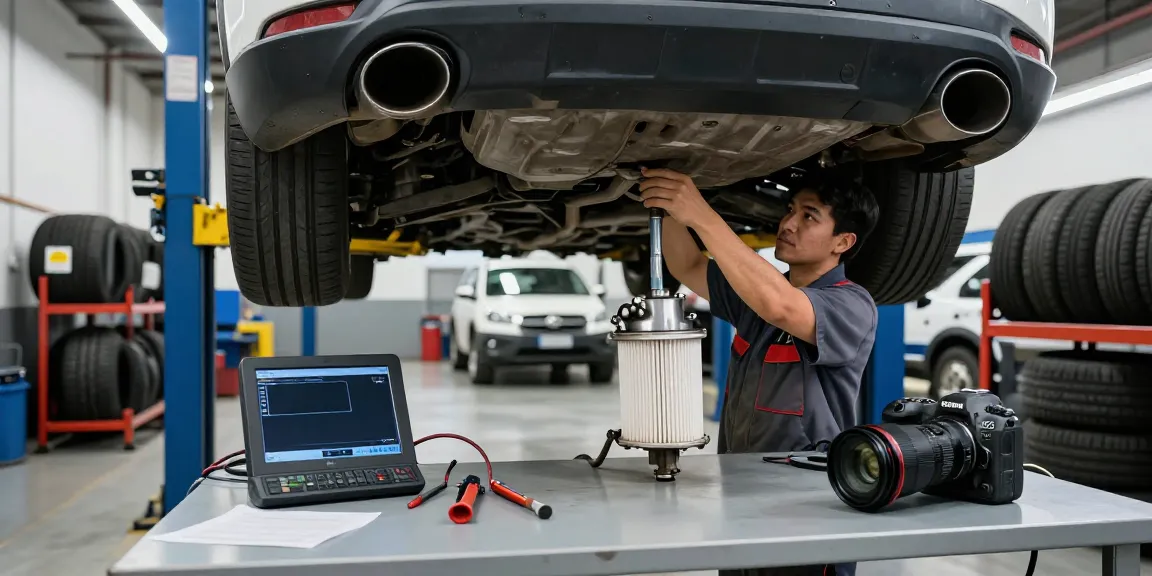
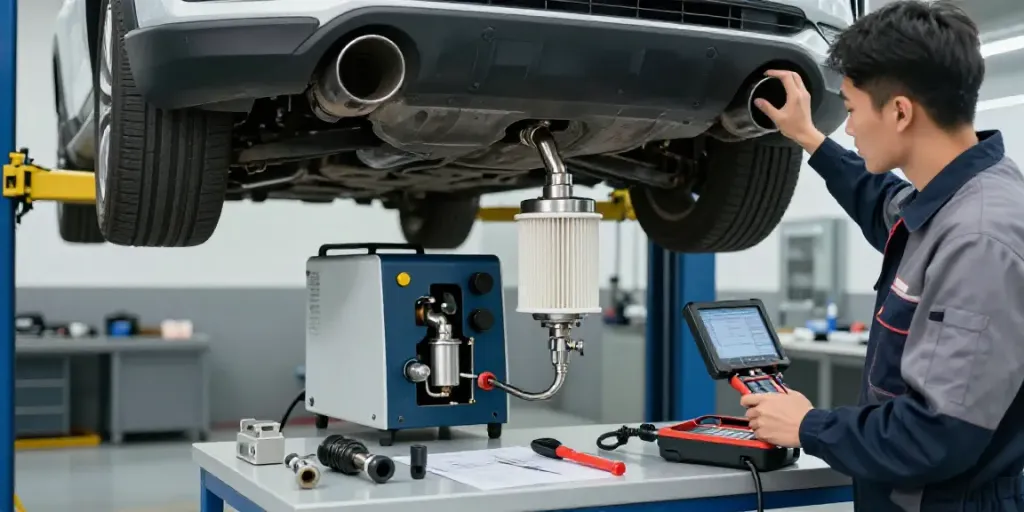
Investing in appropriate tools can facilitate effective DPF maintenance. Regularly scheduled diagnostic scans with advanced diagnostic tools can help identify issues before they escalate. Cleaning kits specifically designed for DPF systems are also valuable assets for operators.
How to Monitor DPF Health Effectively
Monitoring the health of your DPF involves keeping track of warning lights on the dashboard and utilizing onboard diagnostics. Additionally, understanding the typical soot load can help in scheduling timely regenerations.
Real-Life Case Studies of Successful DPF Regeneration
Numerous case studies illustrate the importance of proper DPF maintenance. For example, a fleet operator who regularly monitored their DPFs reported a significant decrease in downtime and maintenance costs after implementing a structured regeneration schedule. Another case showcased how a construction vehicle that underwent manual cleaning every few weeks outperformed its peers in emissions tests.
Future Trends in DPF Technology and Emission Control
As regulations surrounding diesel emissions become stricter, innovations in DPF technology are on the rise. These advancements aim to enhance efficiency while minimizing emissions.
Innovative Developments for 2026
By 2026, expectations include improved exhaust temperature management systems that can facilitate passive regeneration under a broader range of driving conditions. Additionally, advancements in materials used for DPF construction are anticipated to lead to lighter, more durable filters.
Predicting the Future of Diesel Emissions
The future of diesel emissions will likely see increased pressure for cleaner technologies. Innovations in hybrid systems or alternative fuels could complement traditional diesel engines, necessitating further developments in DPF technology.
The Role of Regulations in Shaping DPF Technologies
With regulations continuously evolving, DPF manufacturers will need to adapt quickly. Strategies such as enhanced filtration technologies and improved regeneration methods are likely to emerge as critical factors influencing product development.
Frequently Asked Questions About DPF Regeneration
Many diesel vehicle owners have common questions regarding DPF regeneration. Addressing these can help demystify the process:
How do I regenerate my DPF?
Typically, DPF regeneration can occur automatically during driving or may need to be initiated manually via a diagnostic tool.
Can I drive during DPF regeneration?
Generally, yes, you can drive during regeneration; however, it is recommended to maintain highway speeds to facilitate the process effectively.
Can you unblock a DPF yourself?
While some owners opt for DIY cleaning solutions, it is advisable to consult a professional if you're unsure about the procedures involved.
How long should DPF regen take?
DPF regeneration can take anywhere from 15 to 45 minutes, depending on the method and vehicle conditions.
What are the costs associated with DPF regeneration?
The costs can vary, but regular maintenance and cleaning can prevent more expensive repairs in the long run. It’s advisable to budget for periodic professional cleaning services as needed.